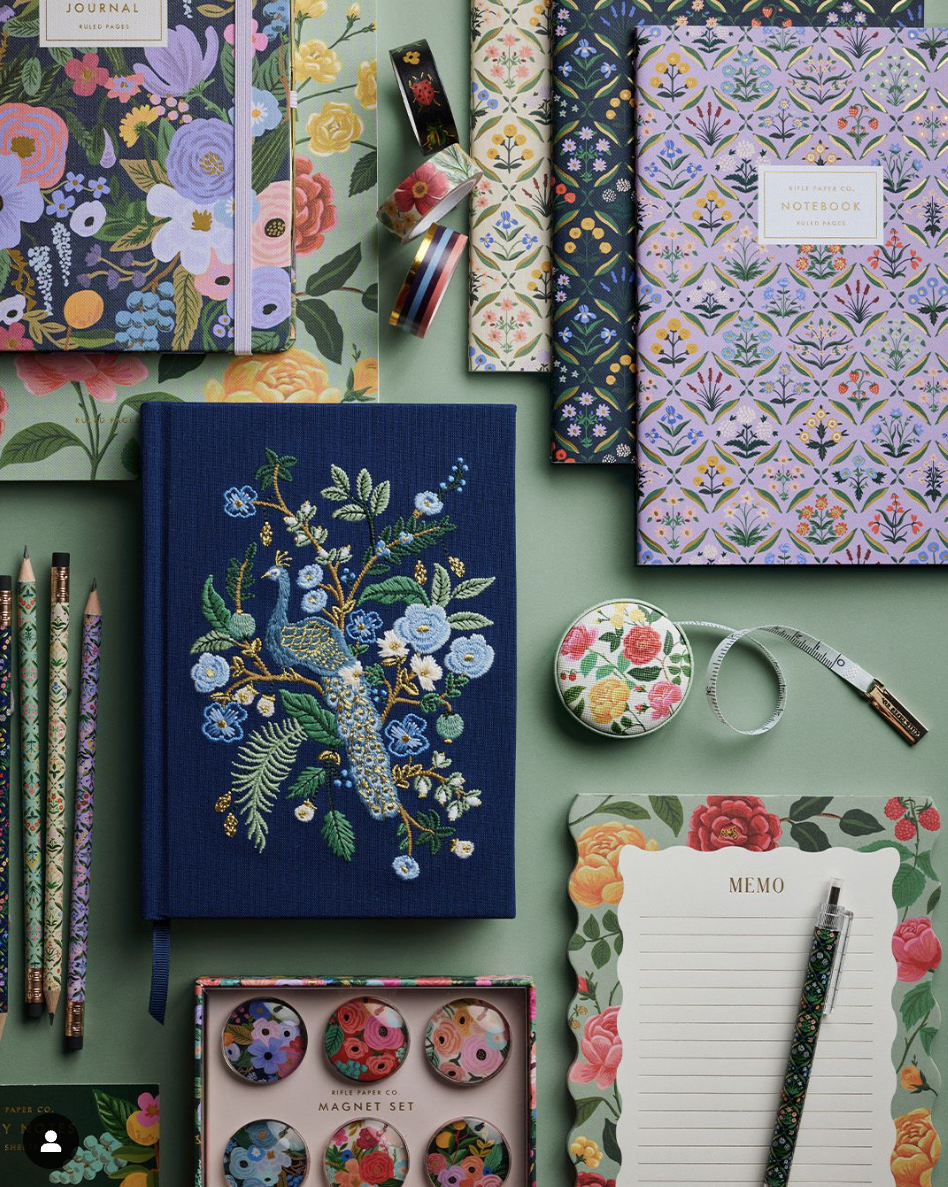
Rifle Paper Co. | product design

Project: Product Design & Development
Client: Rifle Paper Co.
Industry: Consumer Goods, Lifestyle & Retail
Role: Product Graphic Designer
Scope: Product Concept Development, Illustration Adaptation, Surface Pattern Design, Typography & Hand-Lettering, Colorway Exploration, Packaging Design, Production Artwork & Licensed Collaborations
As a Product Graphic Designer at Rifle Paper Co., I translated distinctive illustration and surface pattern artwork into thoughtfully designed products across stationery, accessories, footwear, and home. My work spanned concept development, layout and color exploration, hand lettering, embroidery applications, packaging, and production-ready artwork. Collaborating across product categories and licensed partnerships, I focused on preserving the character of the original artwork while adapting it to the materials, formats, and technical requirements of each product.
THE CHALLENGE
Rifle Paper Co.’s visual identity is rooted in expressive illustration, vibrant color, and intricate decorative details. The challenge was to translate this established visual language across a diverse product assortment while accounting for the unique requirements of each material, manufacturing process, and product format. Artwork that works beautifully on paper may require a different treatment when applied to embroidery, textiles, drinkware, or ceramics. Each application needed to preserve the integrity of the original illustration while ensuring that the final product felt intentional, functional, and true to the brand.

DESIGN APPROACH
I developed product concepts and adapted existing illustrations into designs suited to their intended applications. Depending on the project, this involved sketching, hand-lettering, painting, vectorizing artwork, exploring colorways, and refining the placement of patterns and decorative elements. For new product concepts, I considered how the artwork would interact with the product’s shape, scale, and intended use from the beginning.
02. Design for materials and manufacturing
Each product required a different approach to translating artwork into a production-ready design.
- Embroidery: I vectorized Anna Bond’s Peacock pattern and designed an embroidered journal layout, selecting techniques such as French knots and satin stitch, along with thread colors for production reference.
- Paper goods: I developed greeting cards, stationery layouts, and packaging dielines, accounting for print specifications, color, custom pattern placement, and gold foil.
- Textiles: I adapted illustrations and lettering to textile formats, considering folds, cropping, and how patterns would appear on the finished product.
- Accessories and drinkware: I customized artwork placement and colorways to suit different product shapes and materials.
Across these applications, the goal was to preserve the character of the artwork while making practical decisions that supported the final product. 03. Refine composition and product details I explored variations in layout, color, pattern placement, and decorative treatments to find the strongest solution for each product.
03. Refine composition and product details
I explored variations in layout, color, pattern placement, and decorative treatments to find the strongest solution for each product. For the fall-patterned ring dish, I experimented with multiple layouts and color schemes before arriving at the selected design. For the Spring 2024 Keds collaboration, I contributed to initial shoe concepts, including considered cherry embroidery placement and a delicate cherry charm on the shoelace. These details helped create products that felt distinctive without overwhelming the overall design.
04. Prepare designs for production
I translated approved concepts into production-ready artwork and technical files, including vector artwork, card and packaging dielines, embroidery references, and layouts tailored to individual product specifications. I also considered how a design would appear across its full range of applications. For 3M sticky notes, for example, I designed both the notes and their backer layout so the composition remained visually balanced with and without the notes attached. This attention to production details helped bridge the gap between the initial creative concept and the finished product.
Rifle Paper Co. | peacock embroidered journal
Using the Peacock pattern created by Anna Bond, I vectorized the artwork and designed the layout of the embroidered journal.
Working with Anna Bond’s existing illustrations, I adapted artwork for embroidered products by vectorizing designs, planning their placement, and preparing files for embroidery. This included the Peacock journal and embroidered accessories. I chose specific embroidery techniques that compliment the artwork such as “french knots” and “satin stitch.” I thoughtfully selected thread colors for the prep-house to reference for the final embroidered peacock journal.


Rifle Paper Co. | roses stationery
I designed greeting cards and stationery from concept through final artwork, including sketching, illustration, hand-lettering, and layout. For the Roses Stationery card set, I also developed the card and packaging layouts, dielines, color palette, gold foil specifications, and custom pattern placement.


Rifle Paper Co. | greeting cards
I led the creative development of the following greeting cards and stationery, overseeing each project from initial concept development and sketching through to illustration, hand lettering, and final design. This end-to-end process allowed me to create cohesive, thoughtfully crafted designs that bring together visual storytelling, typography, and distinctive illustrative details.

Rifle Paper Co. | nutcracker
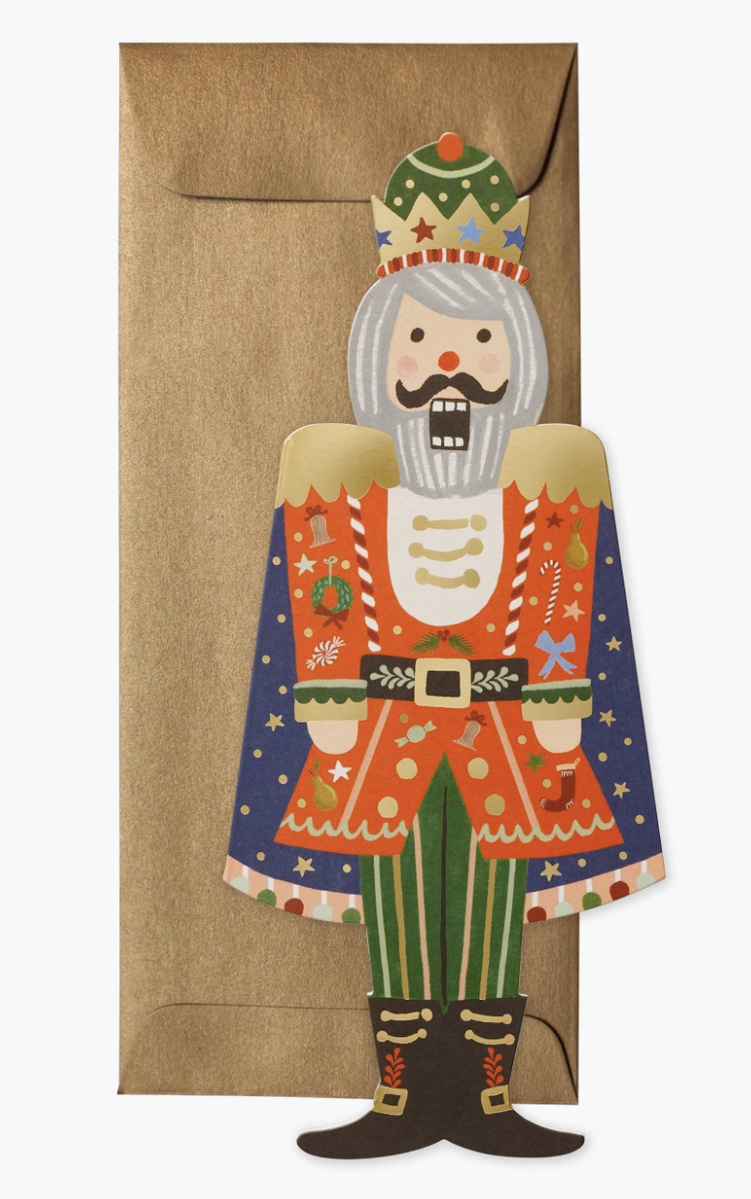
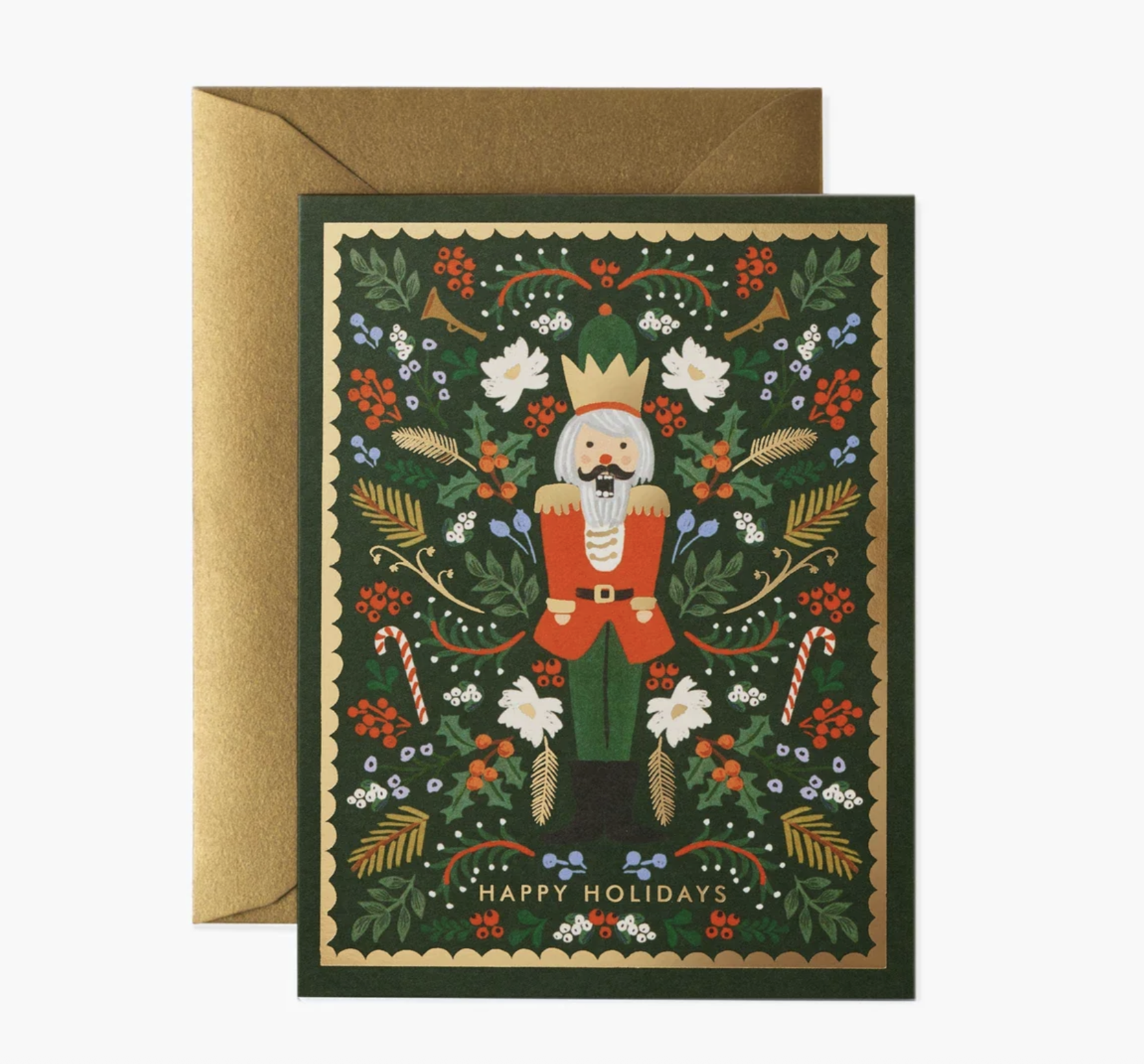
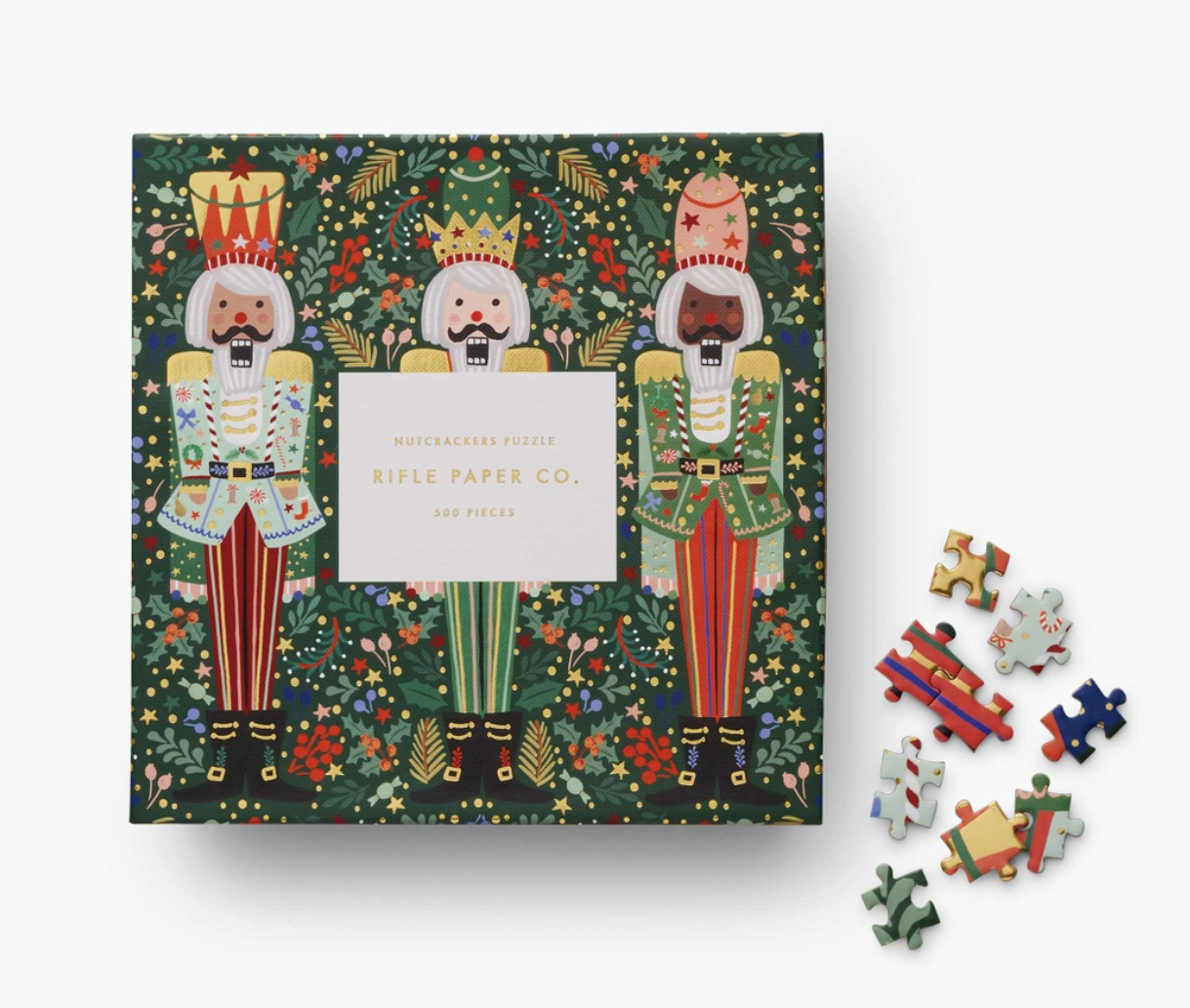
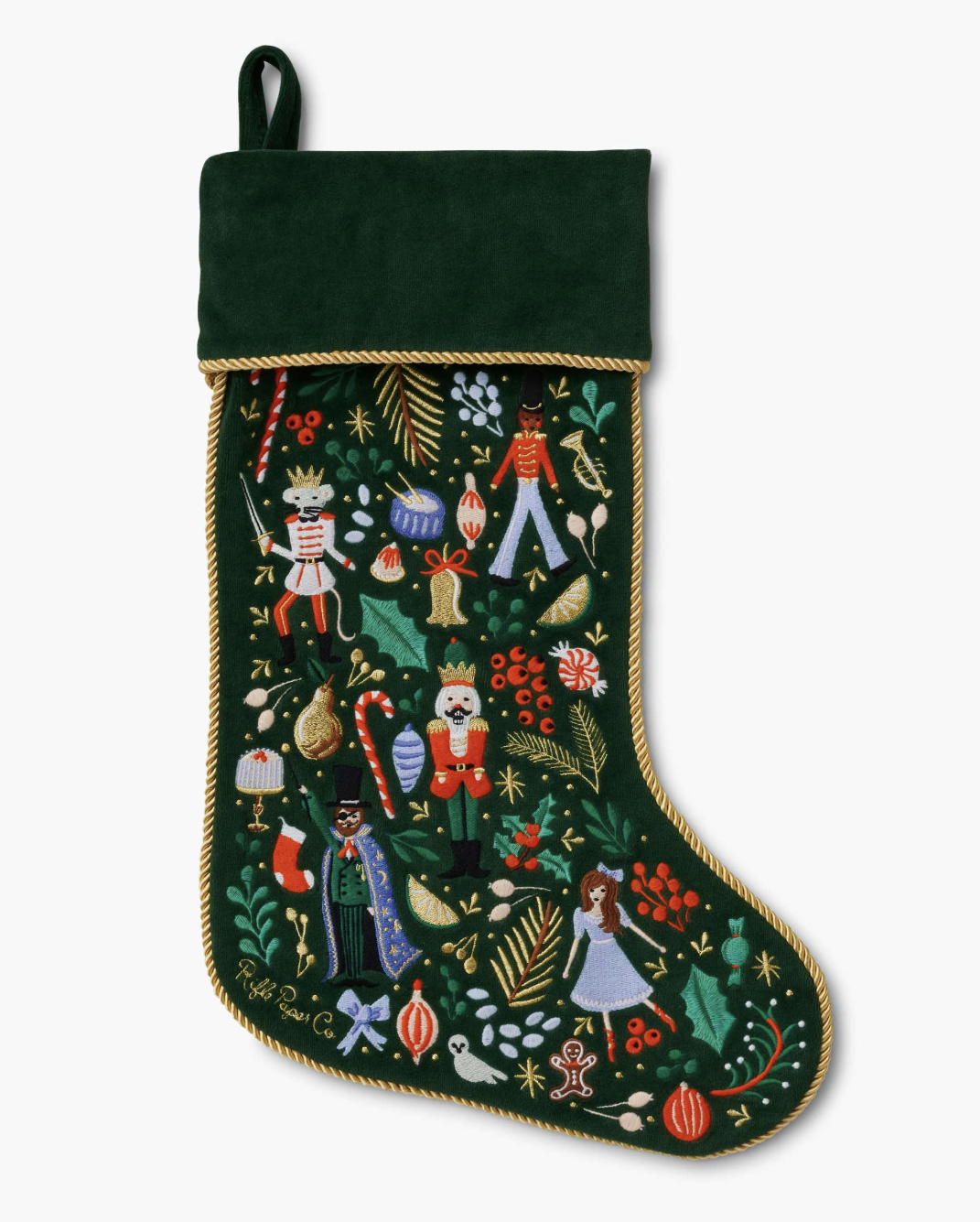
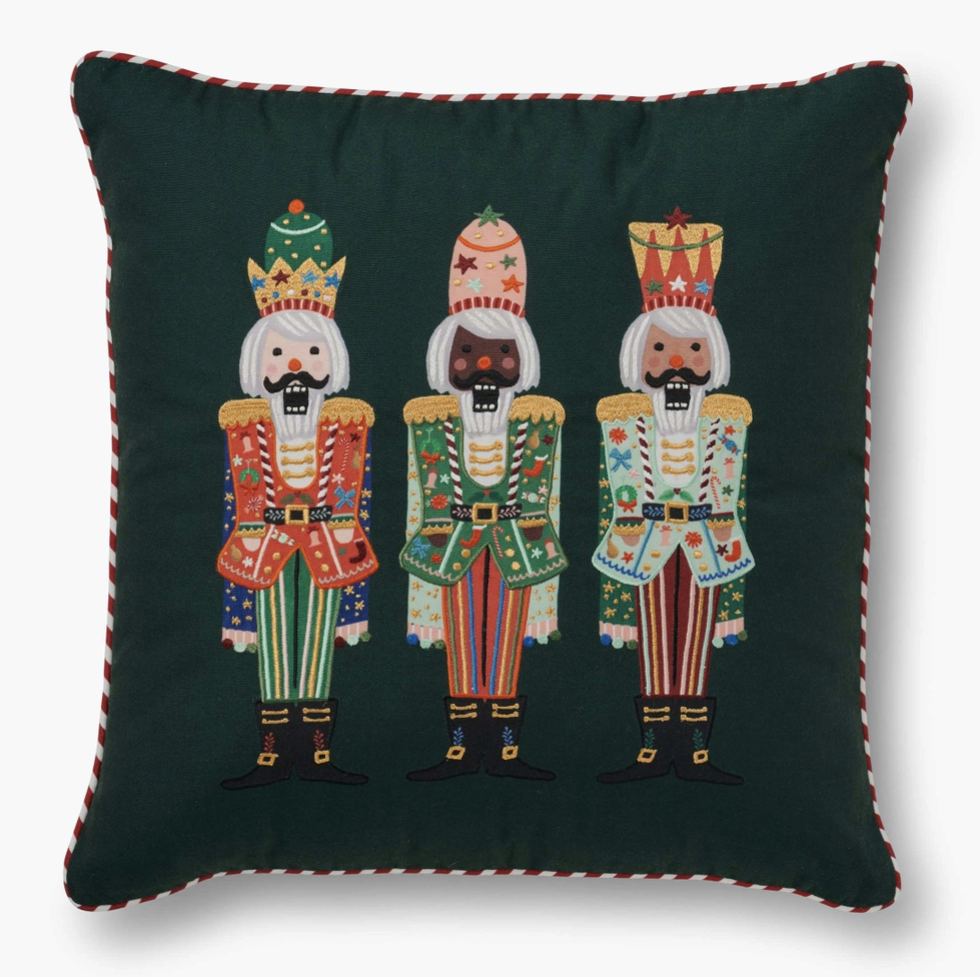
Working with Anna’s initial illustration of the nutcracker, I painted and designed the nutcracker trio. Illustrating and designing the three nutcrackers entailed designing the head-ware and patterns within the characters, ensuring that they work well for a variety of applications and formats. After the design of the illustration was established, I applied the characters to the products shown below.


Sticky Notes | 3M
In collaboration with 3M, the post-it company, I designed the following sticky notes. I worked on the layout of the backer and sticky note, so that the placement looks well-design with and without the sticky note on the backer. Feautured as a best-seller on Rifle’s website.

Bottle Design | Corkcicle
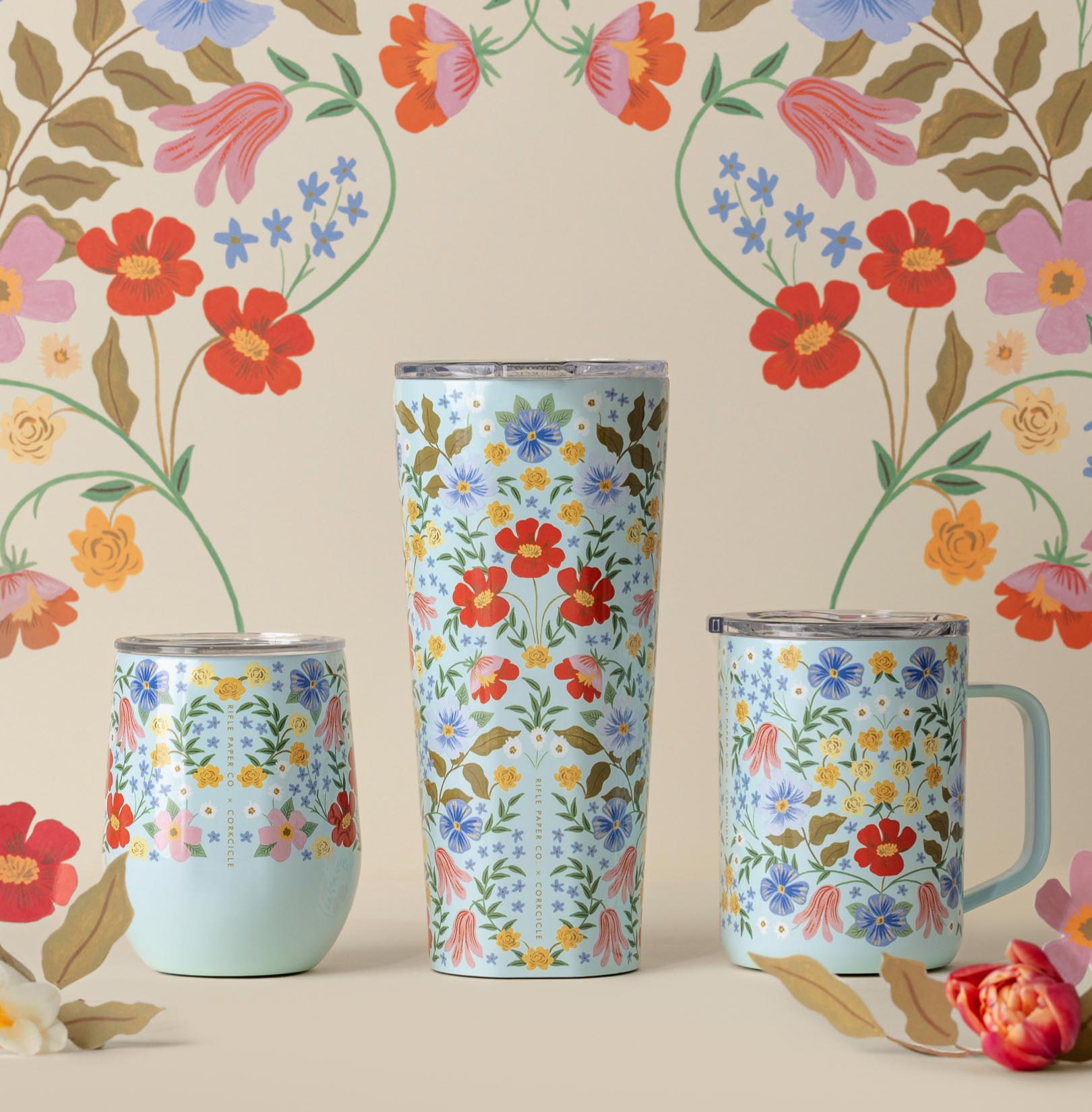
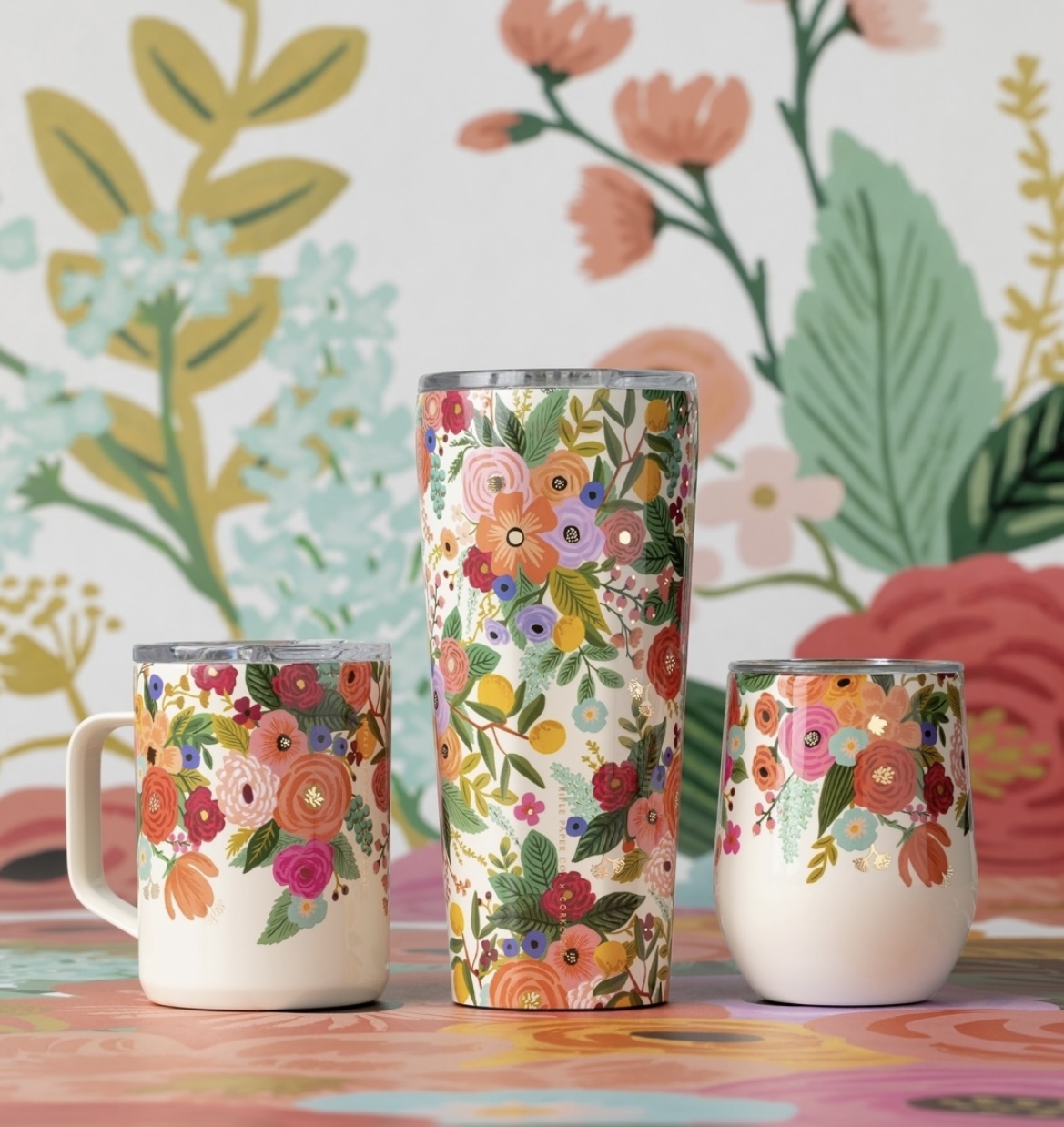
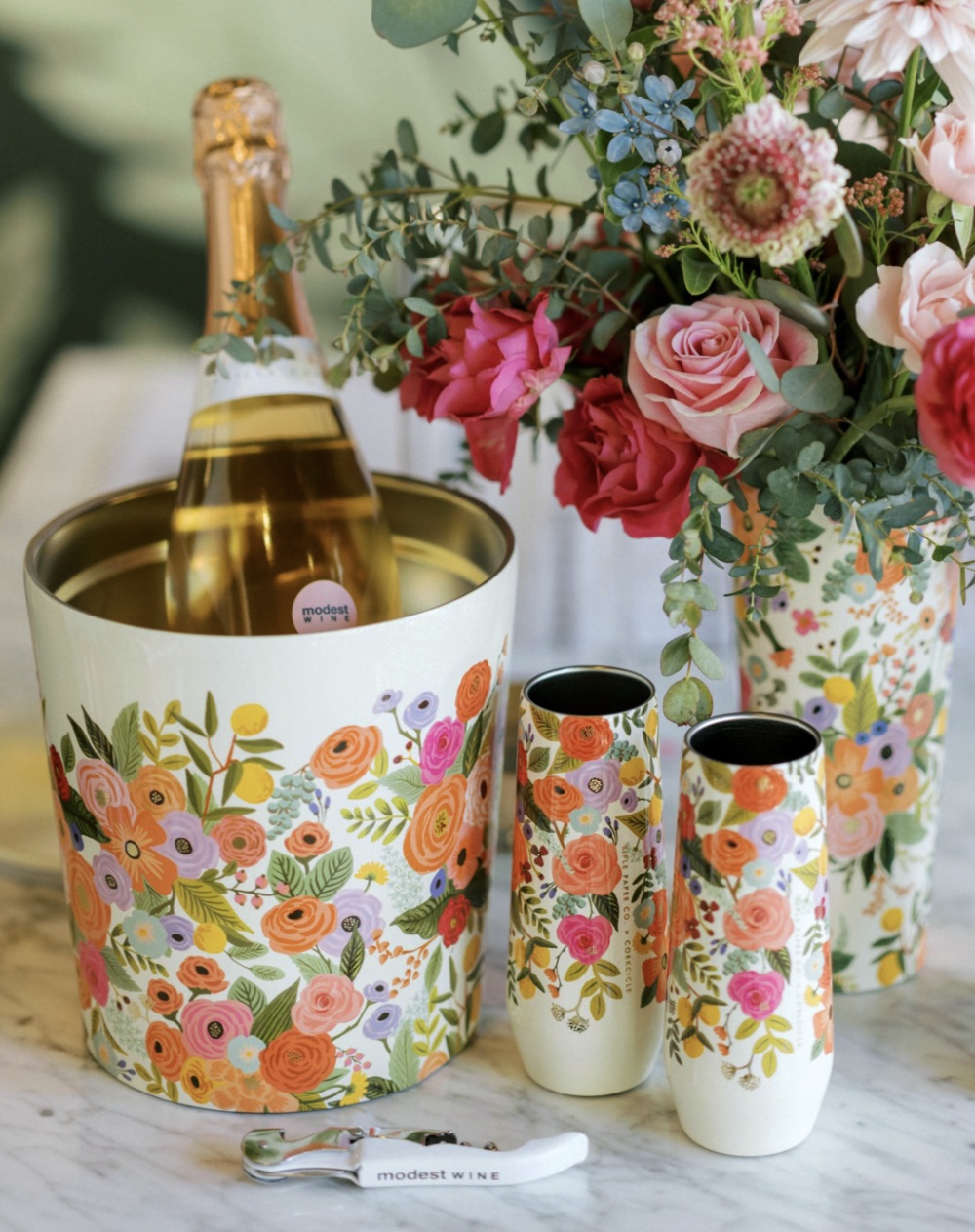
I utilized existing Bramble and Garden Party illustrations created by Anna Bond and customized the layouts for Corkcicle’s drinkware. While each format varies, it comes together for a whimsical and seamless pattern experience. Feautured as a best-seller on Rifle’s website.
Woodland Wallpaper Design | York
In collaboration with York, I contributed to the illustration and design of the Woodland wallpaper collection, developing a nature-inspired pattern that brings a sense of warmth and organic character to interior spaces. The design is available in three colourways.


Shoe Design | Keds
In collaboration with Keds, I worked on the initial concepting and design of the Spring 2024 shoes. Apart of my responsibilities included coming up with innovative techniques for the shoes. This included thoughtful placement of the cherry embroidery and a dainty cherry charm on the shoe lace.


Platter Design | Pottery Barn
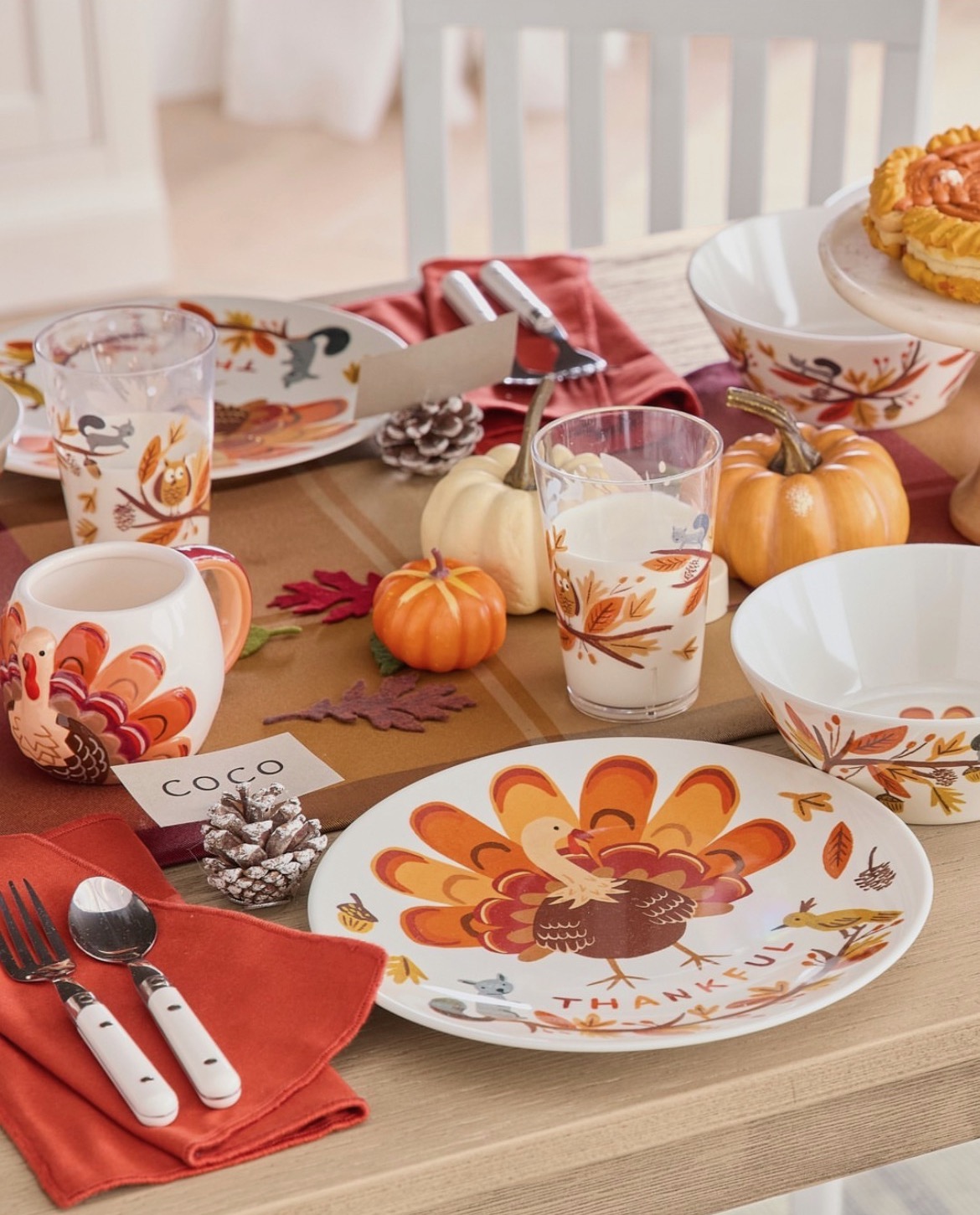
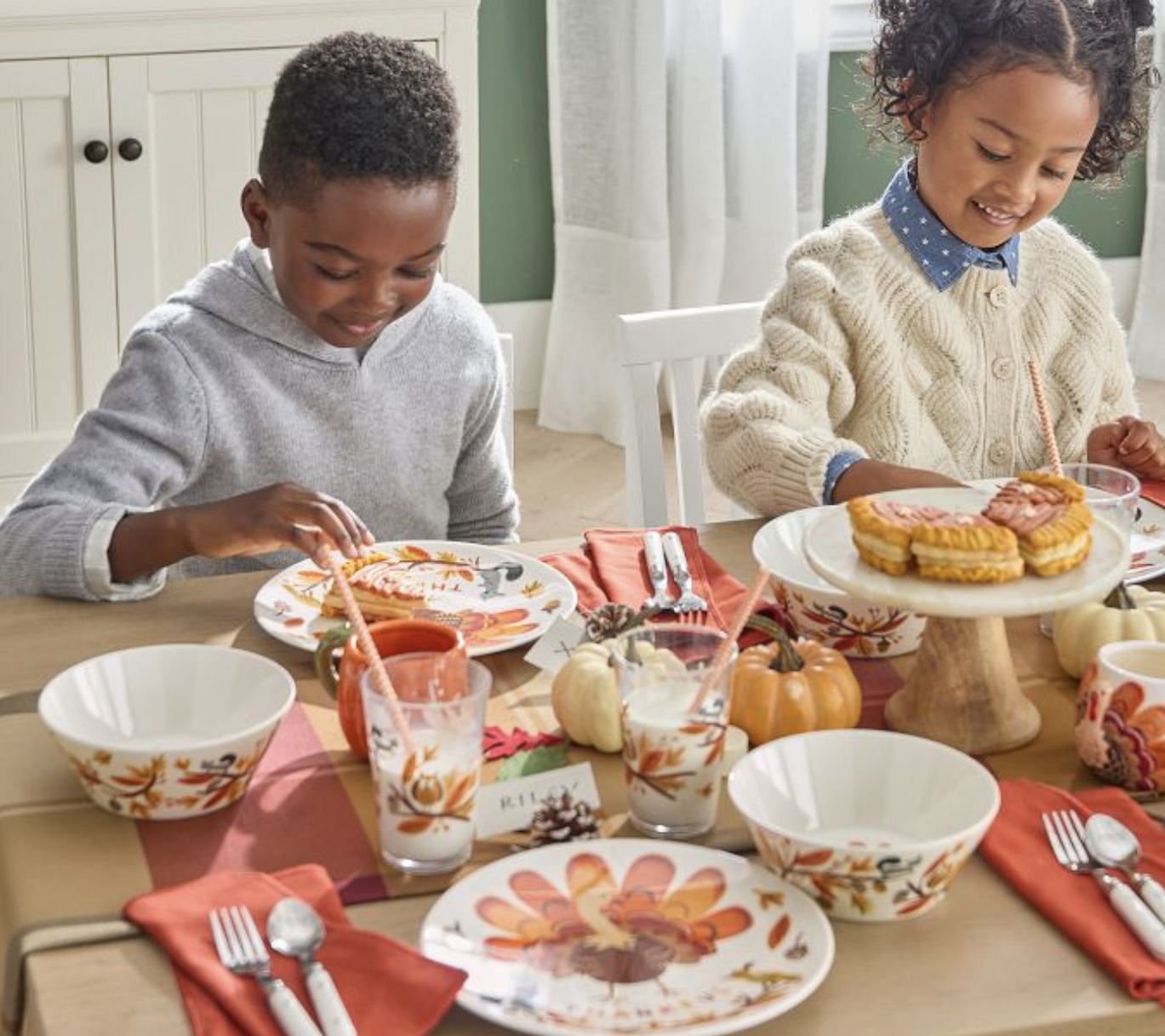
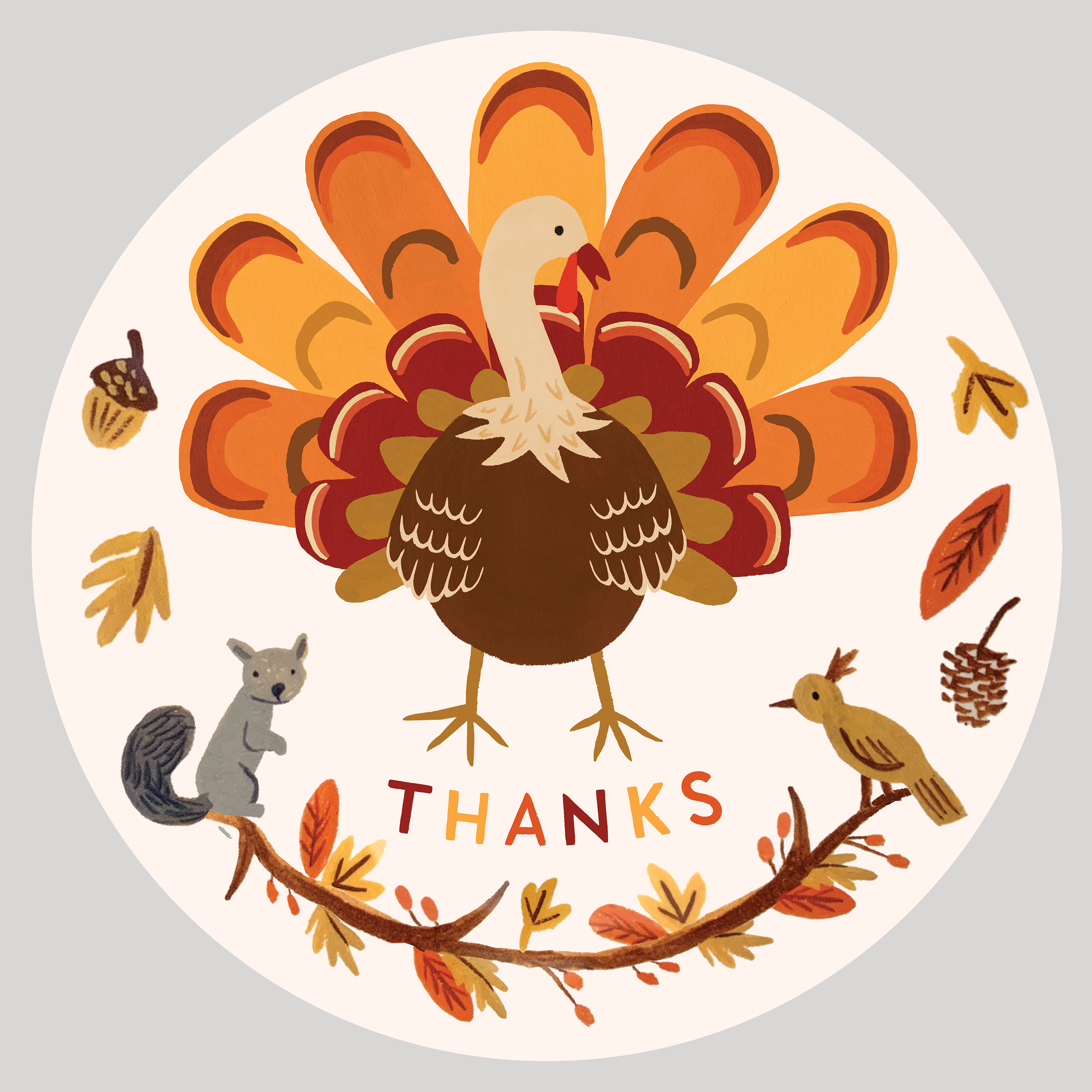
In collaboration with Pottery Barn, I worked on illustrating and designing the turkey for their Thanksgiving platterware.
Rifle Paper Co. | beach towel
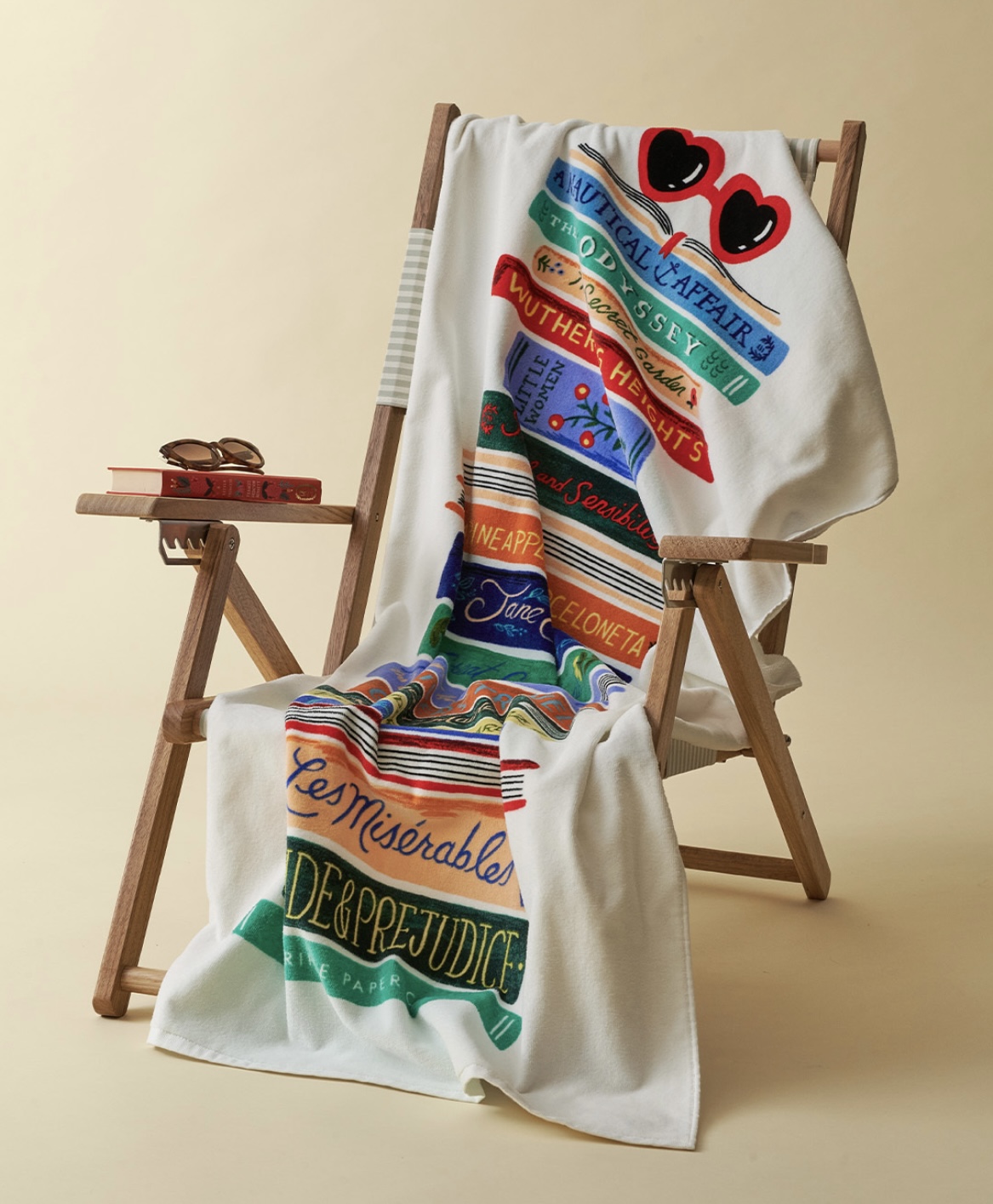
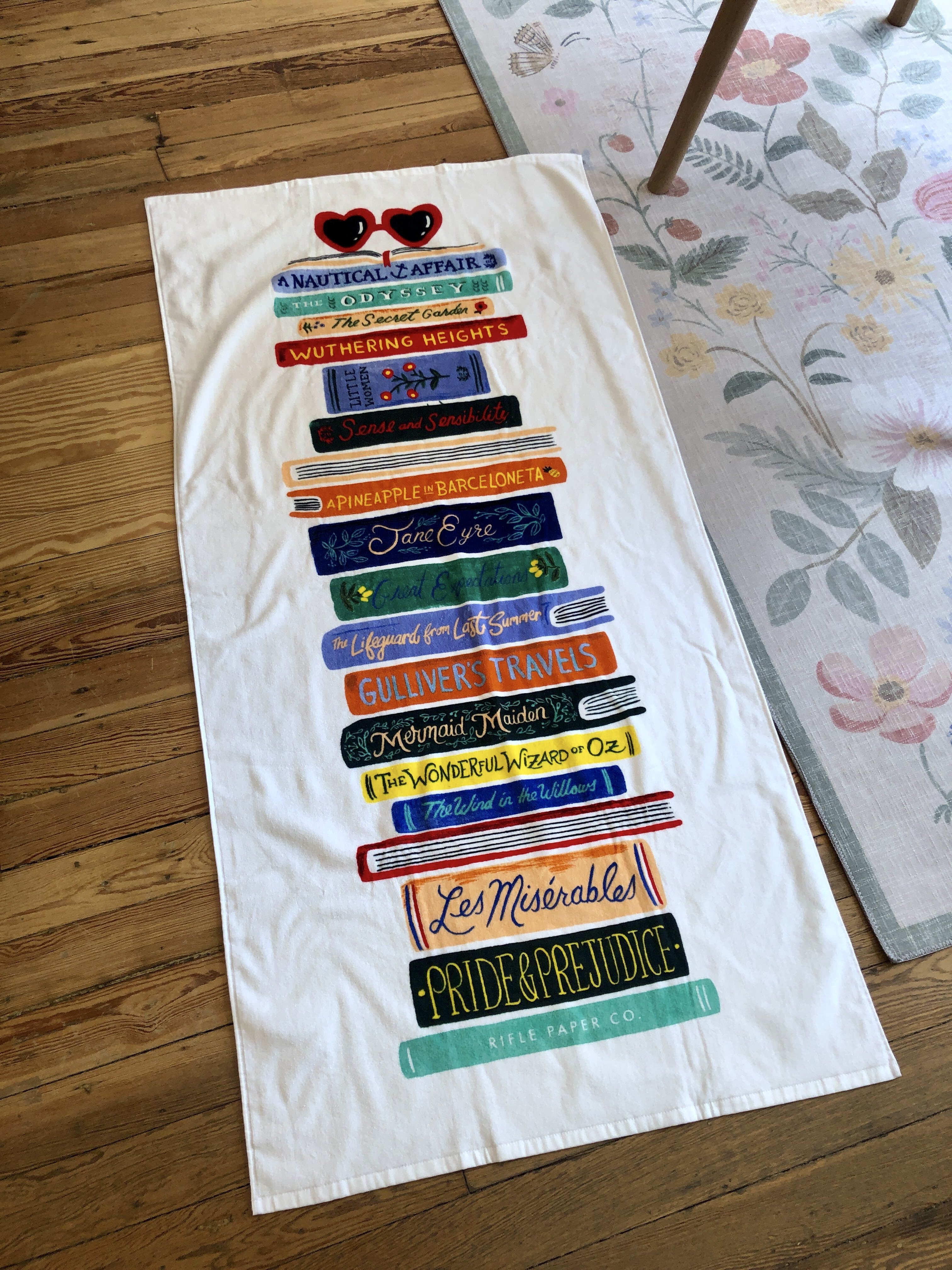
For the Book Club beach towel, I developed the concept, sketches, hand-lettering, and final design. The product was featured as a bestseller on Rifle Paper Co.’s website.
![]()
![]()
![]()



Rifle Paper Co. | tea towel
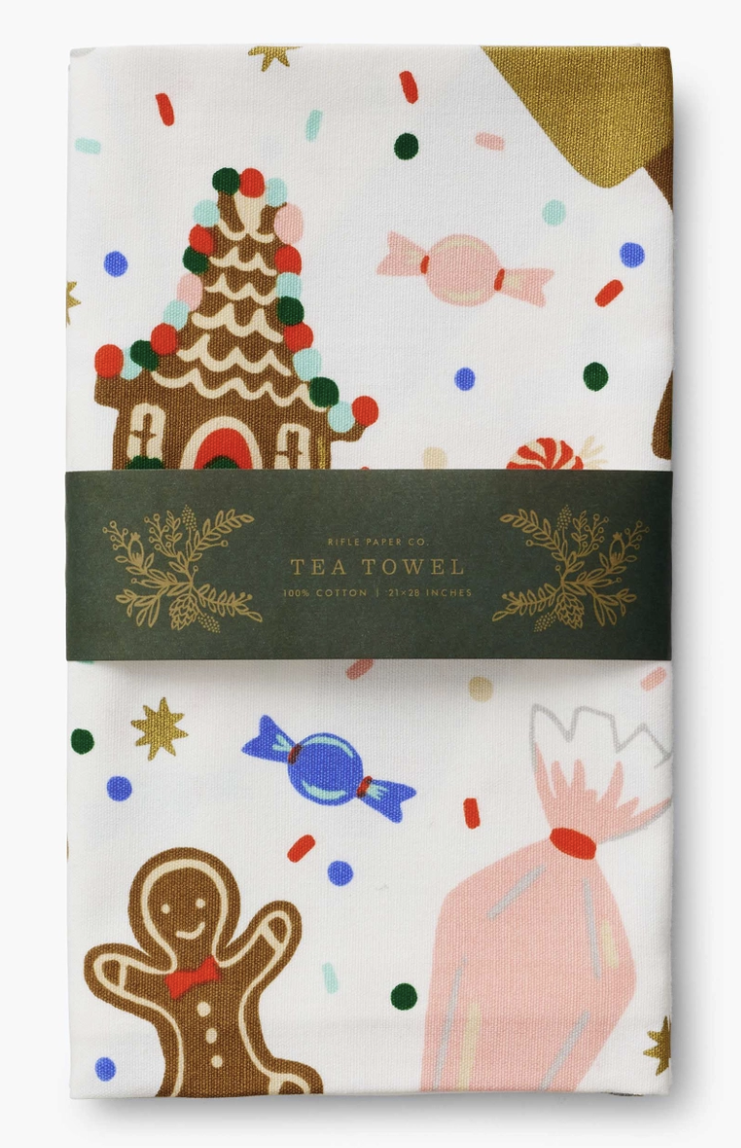
For the Christmas Cookie tea towel I worked on illustrating, vectorizing, and designing the layout. For this project I considered the typical folds in a tea towel, so that each crop is visually appealing. The illustration to the right was a near-final layout of the towel.


Rifle Paper Co. | embroidered accessories
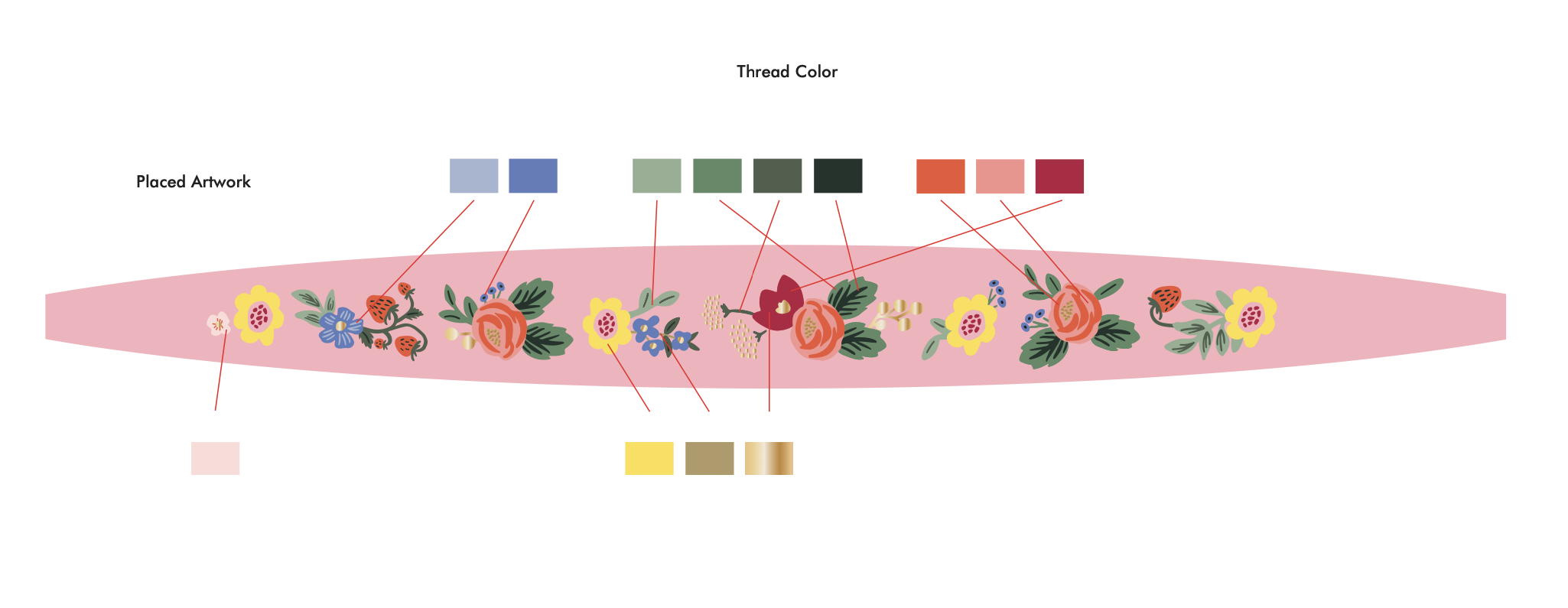
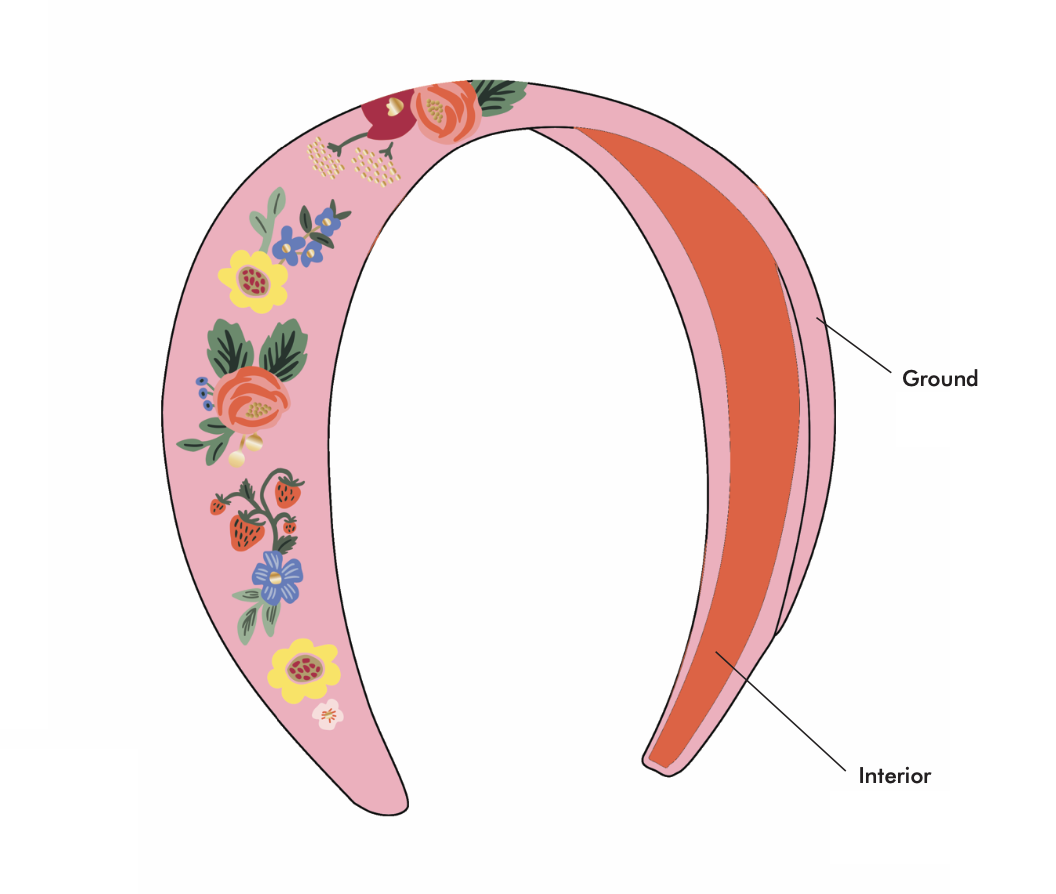
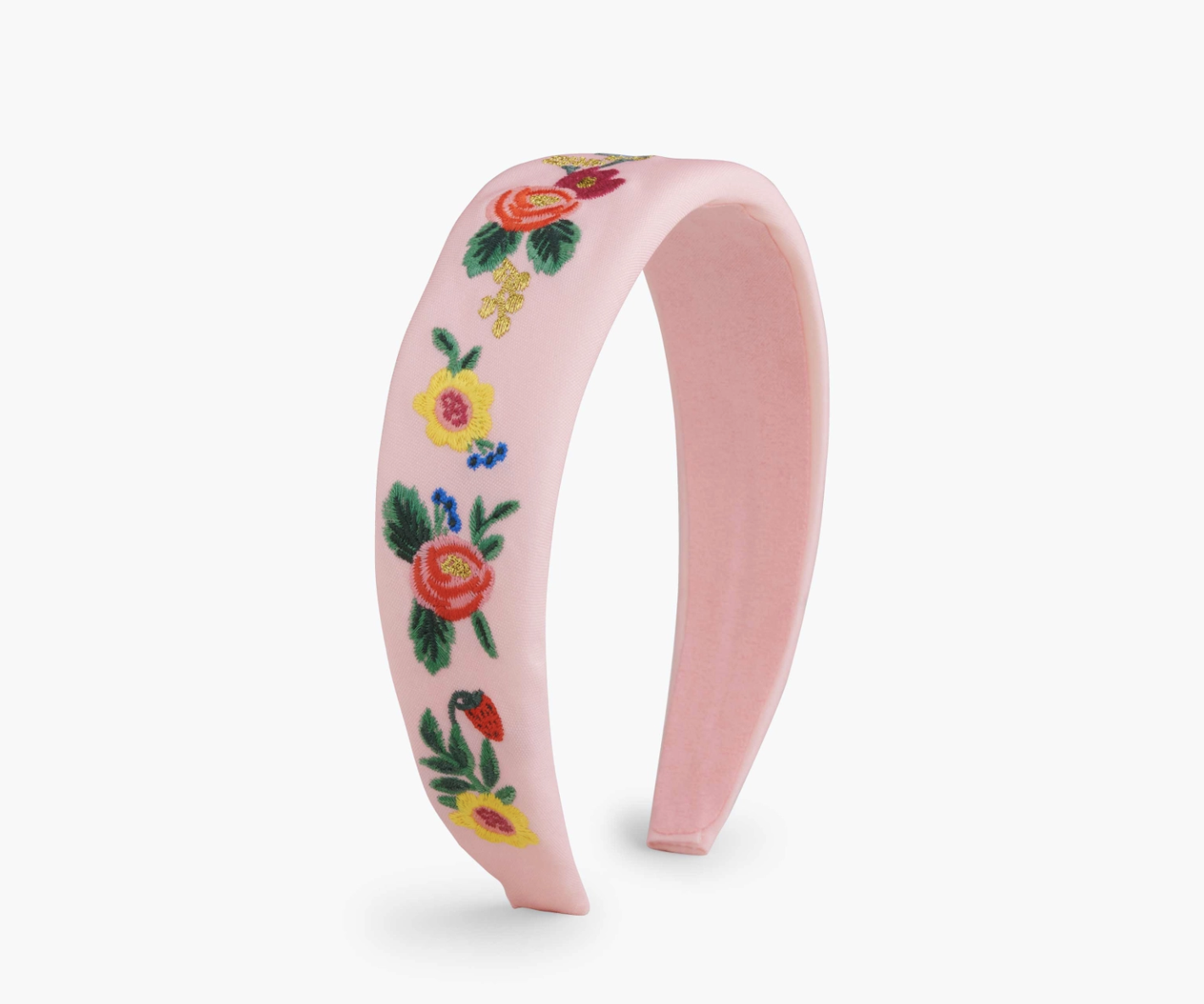
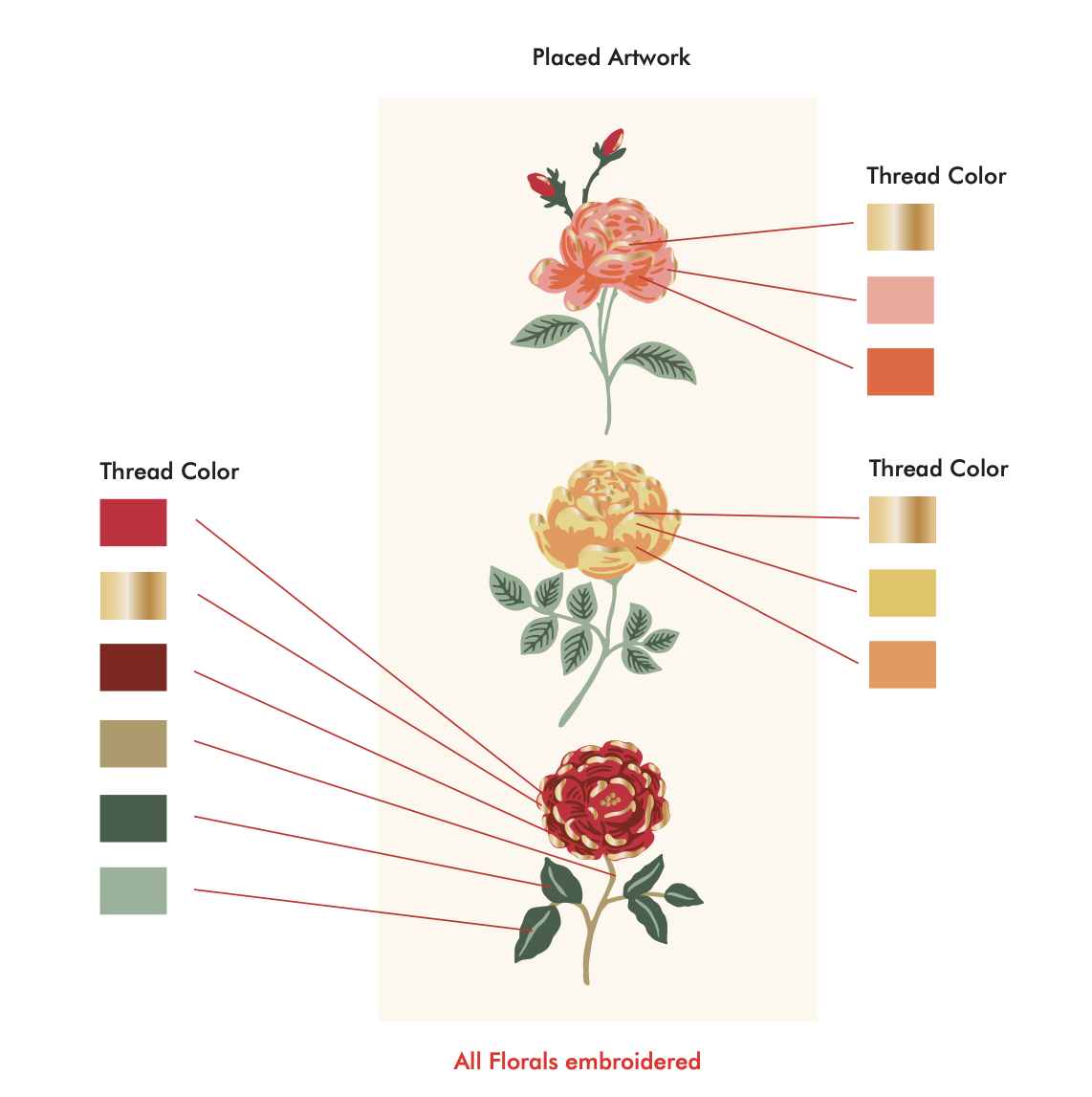
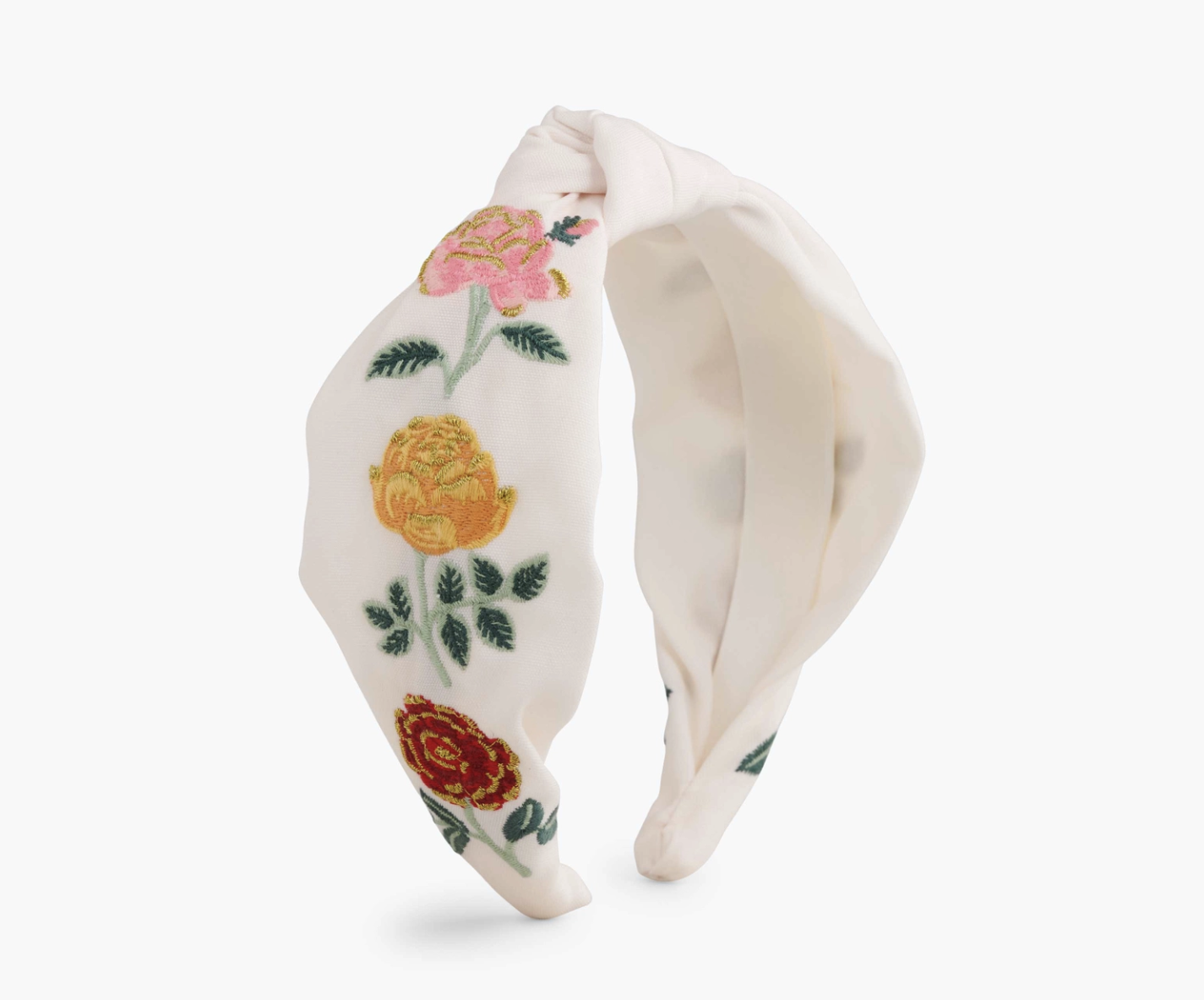
I designed the following headbands and accessories. My responsibilities included vectorizing Anna’s existing artwork, so that it could be applied to the headband and the files prepped for embroidery.

Rifle Paper Co. | ring dish
I designed the following ring dish utilizing Anna’s fall pattern design. We settled on this design after I experimented with a variety of layout, color scheme, and pattern options.

Rifle Paper Co. | jewelry design
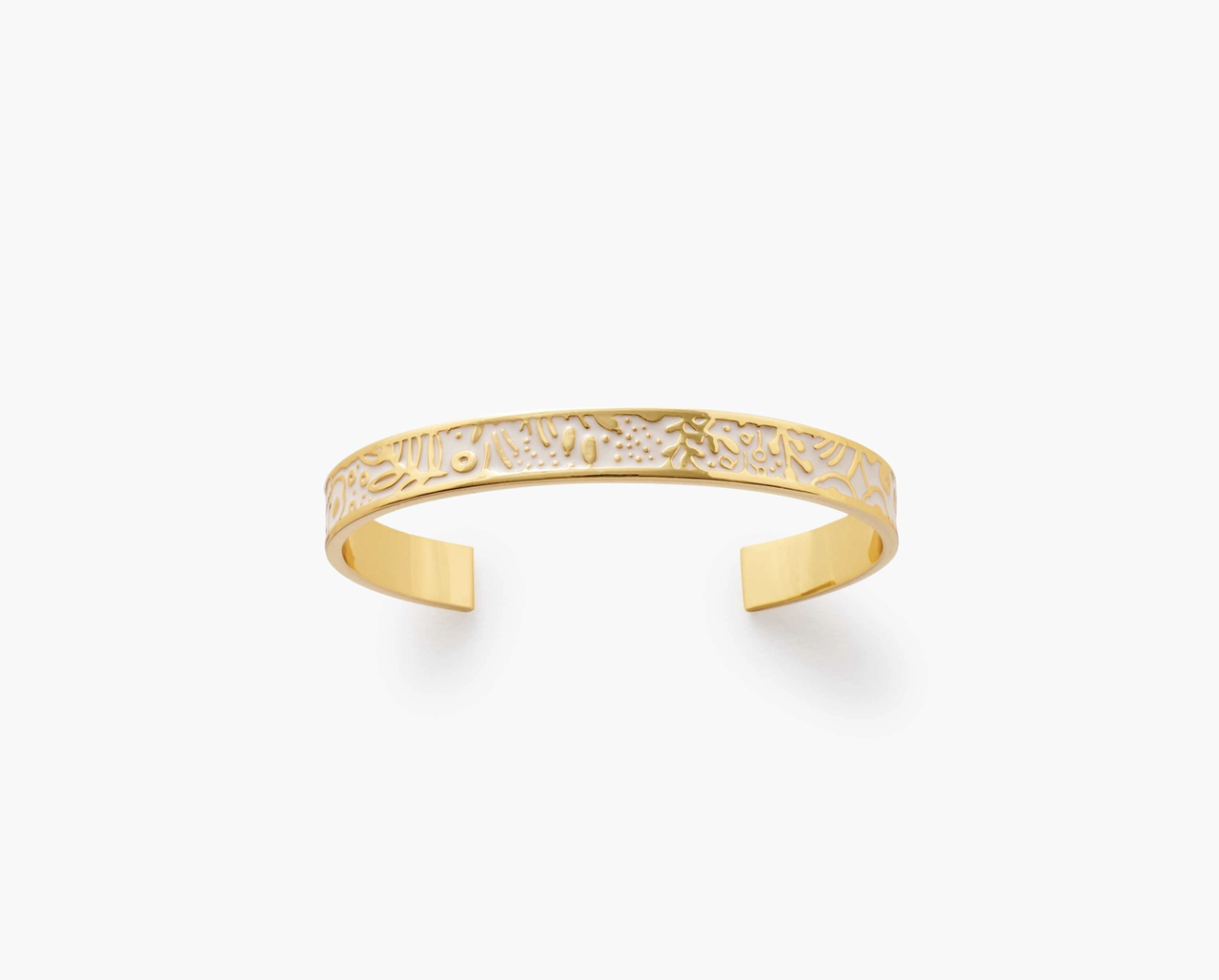
I developed the designs for the following bracelet collection, incorporating Anna’s original artwork into wearable pieces. My role included creating the hand lettering, selecting complementary colourways, and thoughtfully positioning the artwork to ensure each design felt cohesive and visually balanced. Through these elements, I helped translate the original illustrations into distinctive accessories that maintained the integrity of the artwork while adapting it for a new format.


Rifle Paper Co. | totebags
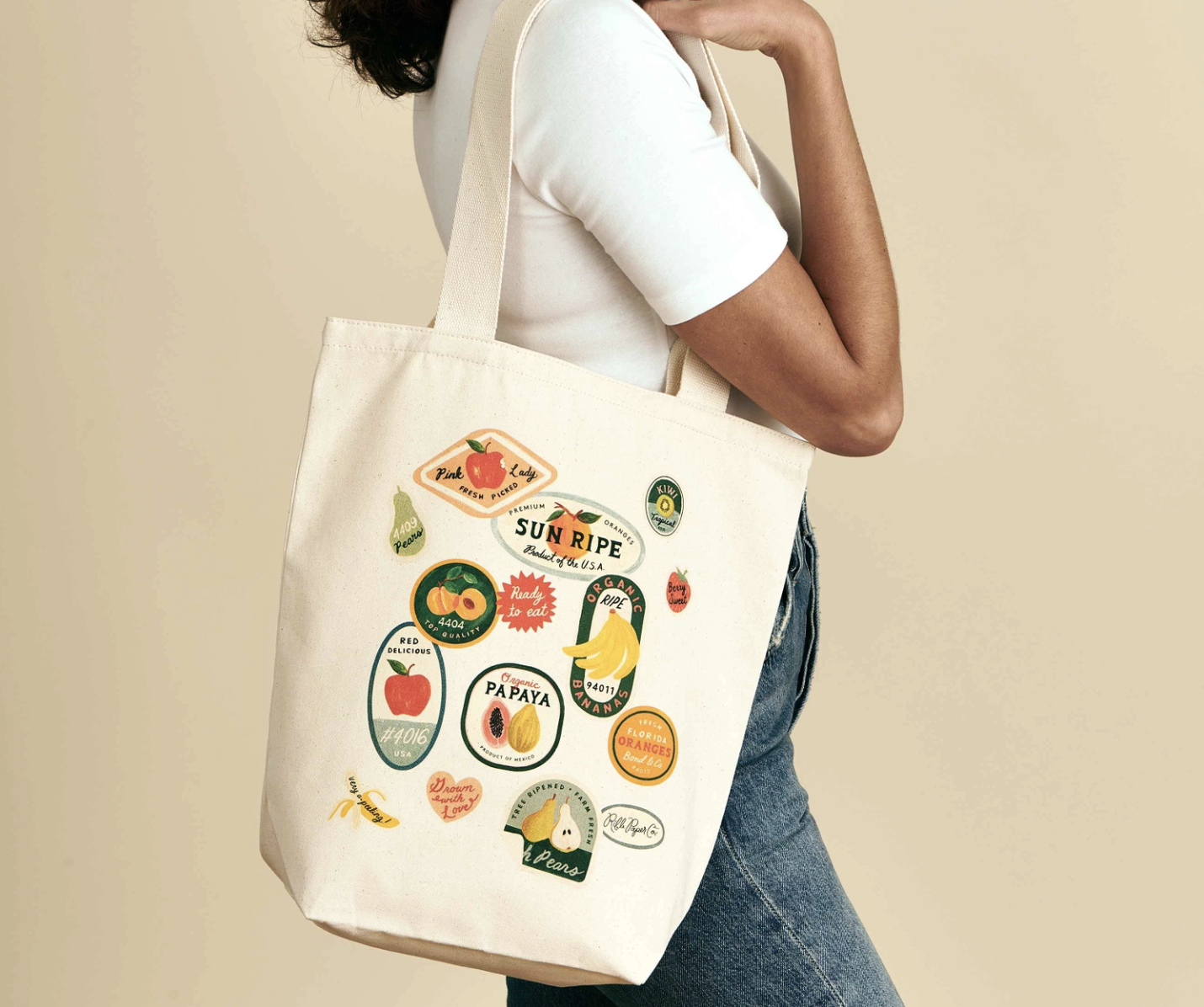
Totebags I worked on while at Rifle which included layout, color, and type design.


THE OUTCOME
The work contributed to a broad range of products spanning stationery, home décor, textiles, footwear, drinkware, and accessories. By adapting illustrations to different materials and production methods, I helped extend Rifle Paper Co.’s recognizable visual identity across multiple product categories.I contributed to multiple best-selling products on Rifle’s website including the Peacock Embroidered Journal, Book Club towel, and Nutcracker series.




Coya’s Café | restaurant branding
Project: Restaurant Branding & Visual Identity
Client: Coya’s Café
Industry: Food & Hospitality
Role: Freelance Graphic Designer & Illustrator
Scope: Logo Design, Custom Pattern Design, Illustration, Typography, Packaging Applications & Production-Ready Artwork, Digital Design
A visual identity rooted in family, tradition, and the art of making things by hand.
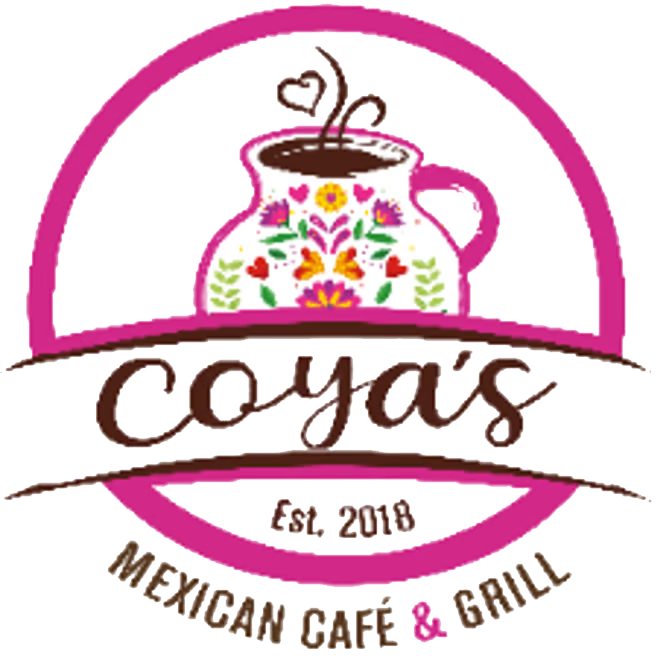
Coya’s Café is a family-owned Mexican restaurant in Moline, Illinois, named after Grandma Coya. Rather than building the identity around familiar restaurant clichés, the rebrand started with something much more personal: Coya herself. Her signature, her love of traditional aesthetics, and the warmth of family became the foundation for a visual identity that feels expressive, nostalgic, and unmistakably human.
THE CHALLENGE
How do you modernize a family tradition without losing what makes it special? The existing brand didn't fully capture the personality behind the restaurant. The opportunity was to create something that could feel contemporary while still honoring the visual language and traditions that inspired Coya’s Café in the first place. The identity needed to balance two things: Heritage + personality.
Before:
![]()
After:
![]()
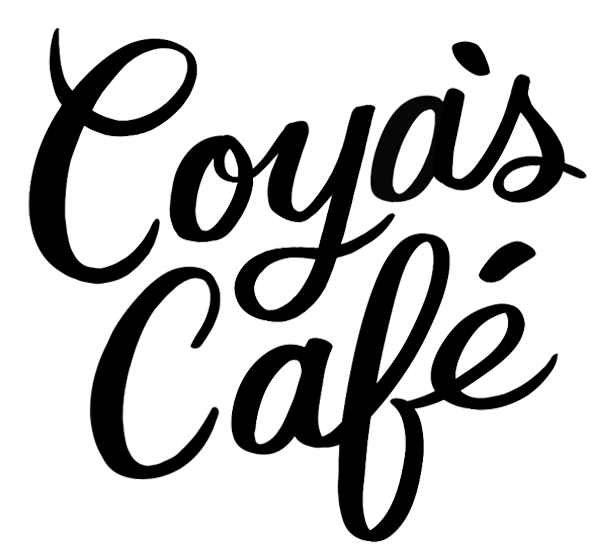
In designing the logo I wanted it to be inspired by traditional sign-painting and Coya’s signature.
Rather than creating a polished, overly contemporary restaurant mark, I looked toward traditional sign-painting and Coya’s own signature to create something that felt personal, handmade, and rooted in the restaurant's history. The result is a wordmark with the character of something that could have existed for generations—while still feeling fresh enough to define the new identity.
MOOD BOARD

INITIAL LOGO EXPLORATION


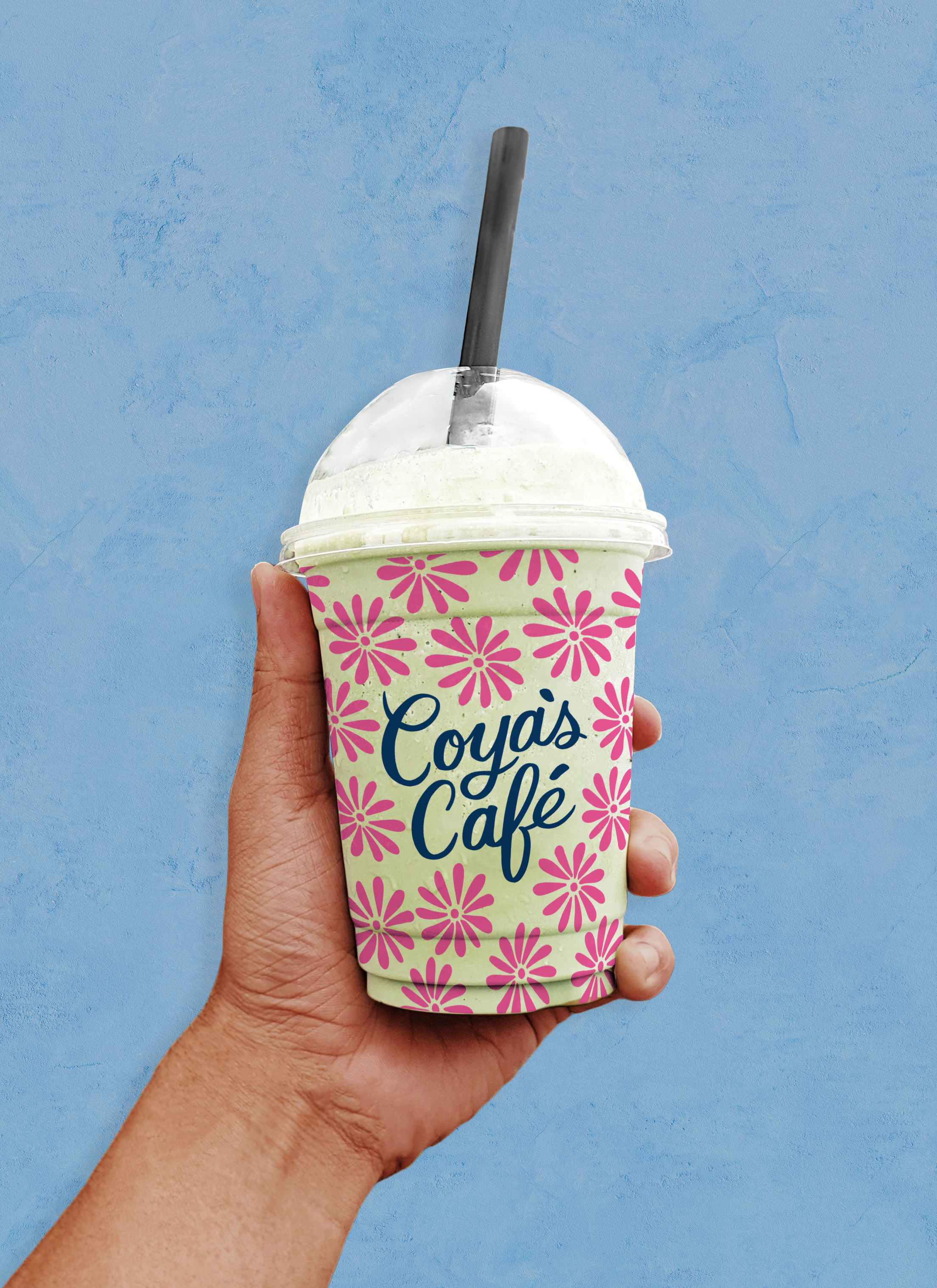
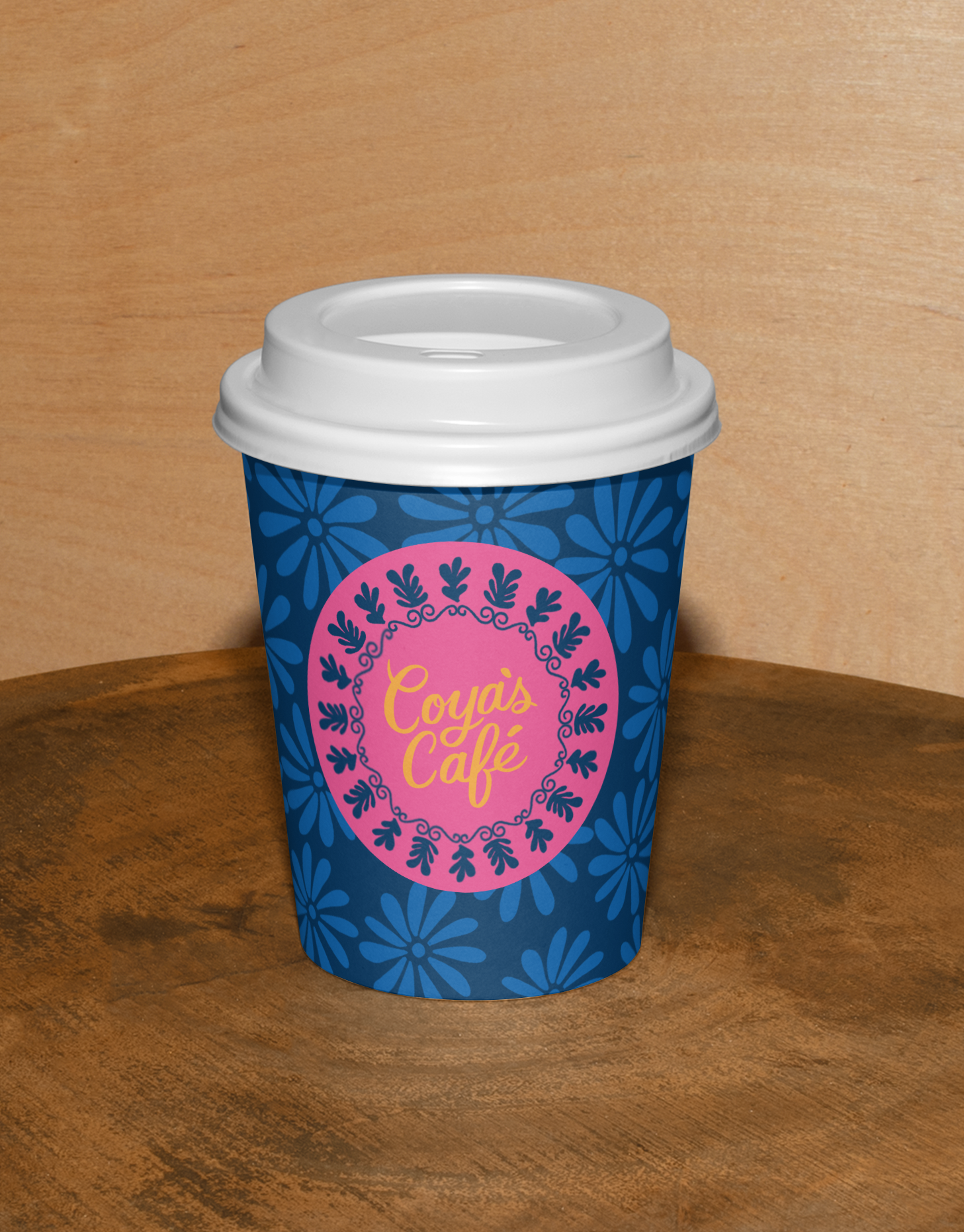
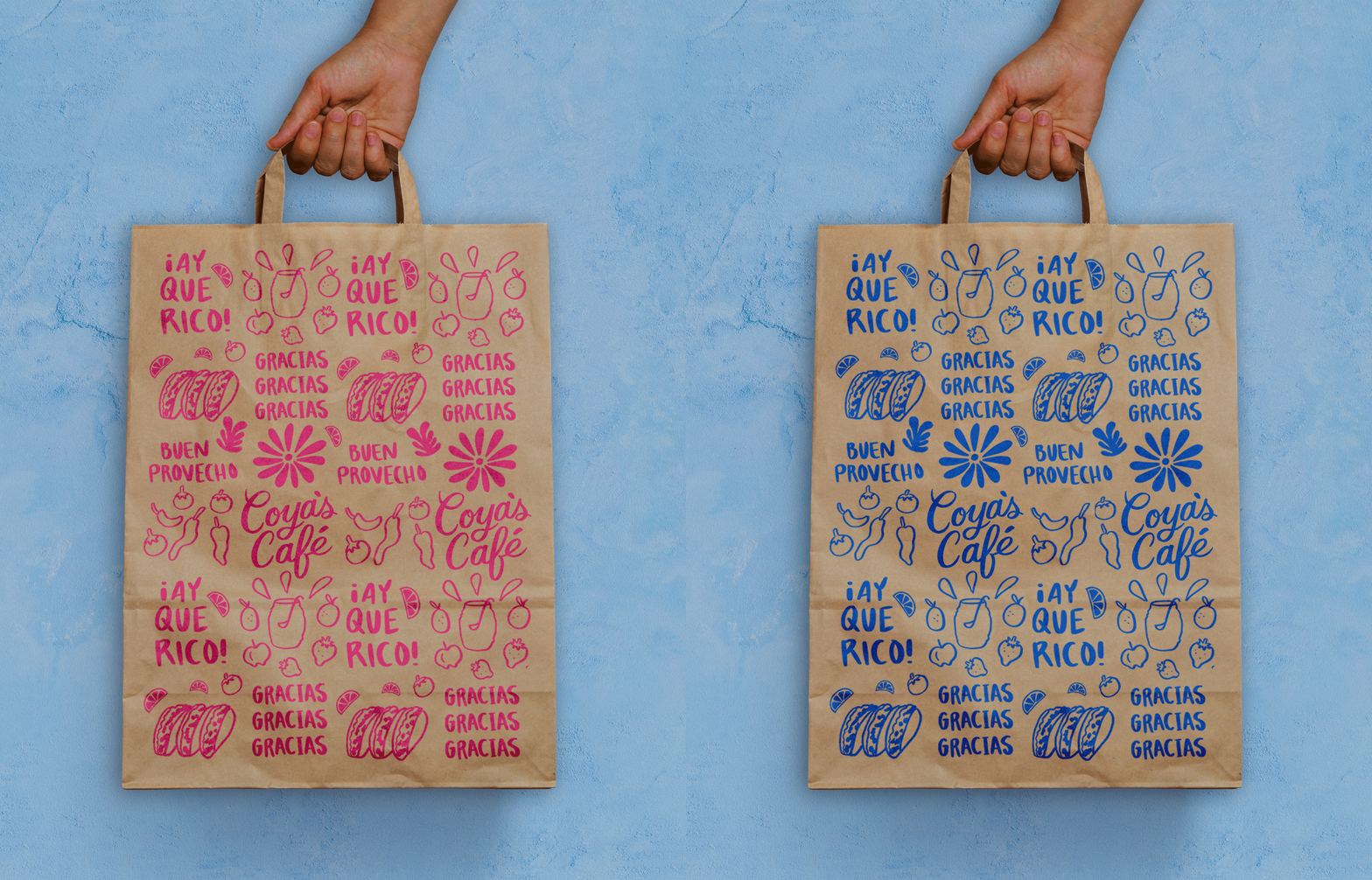
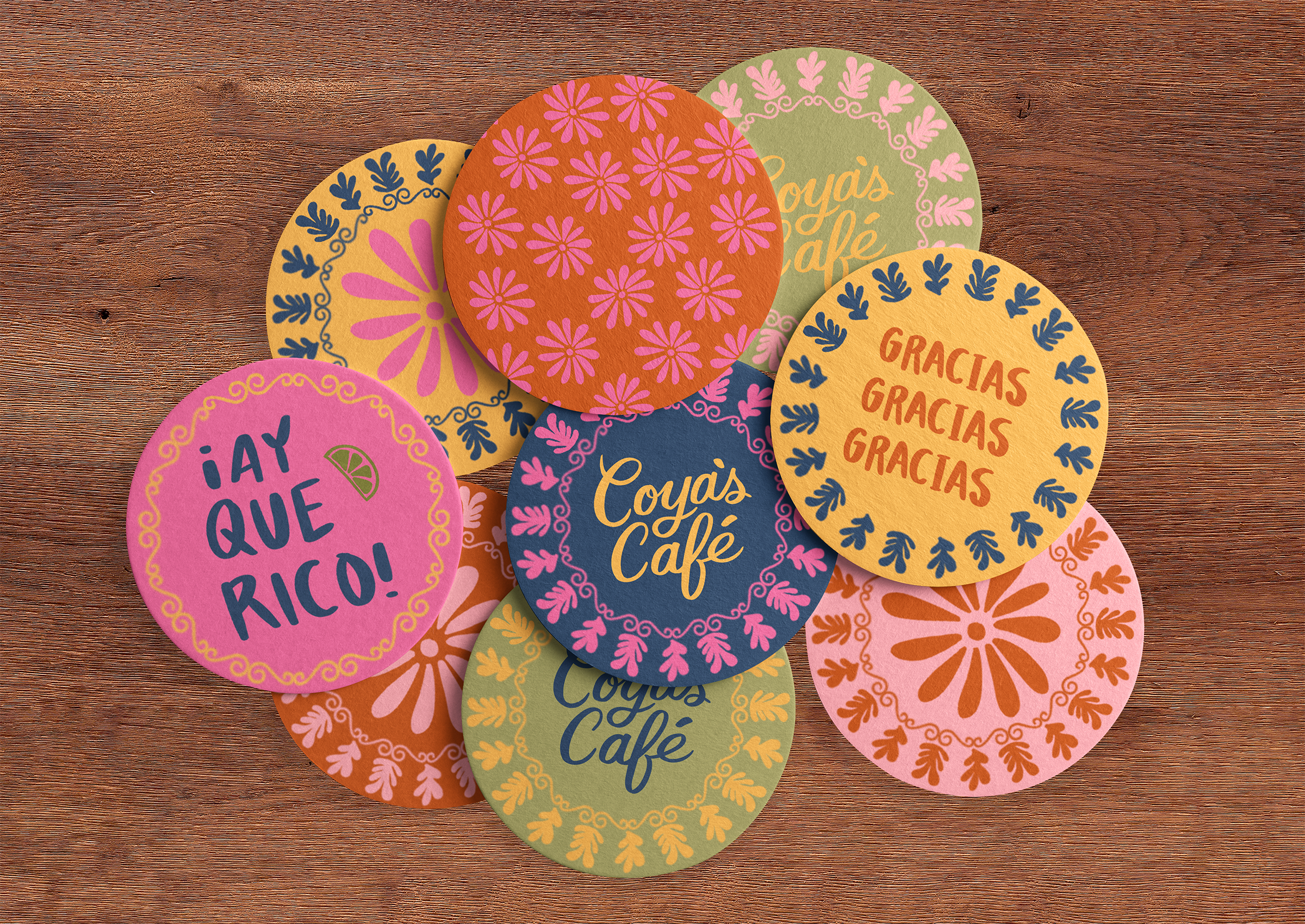
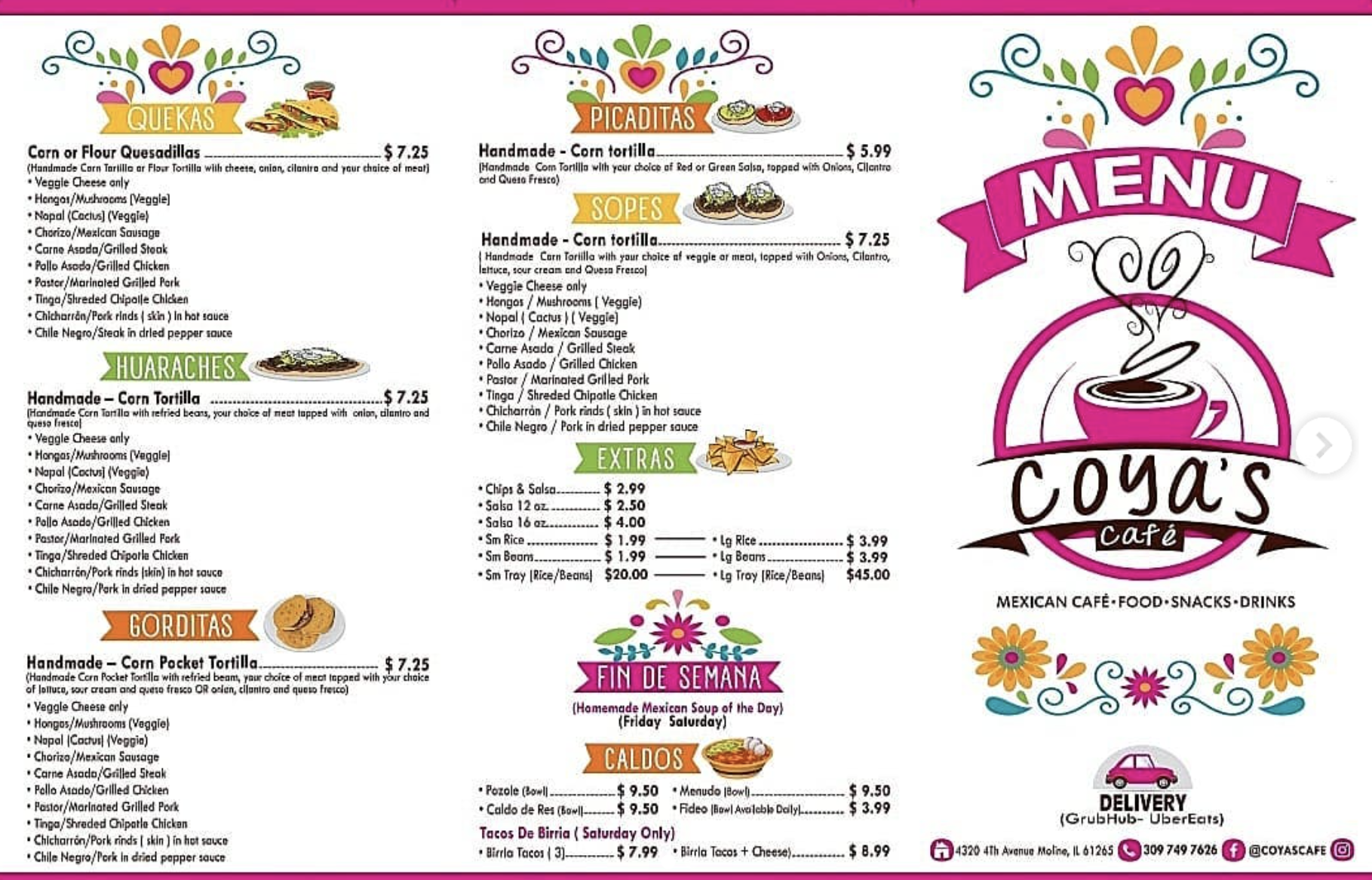
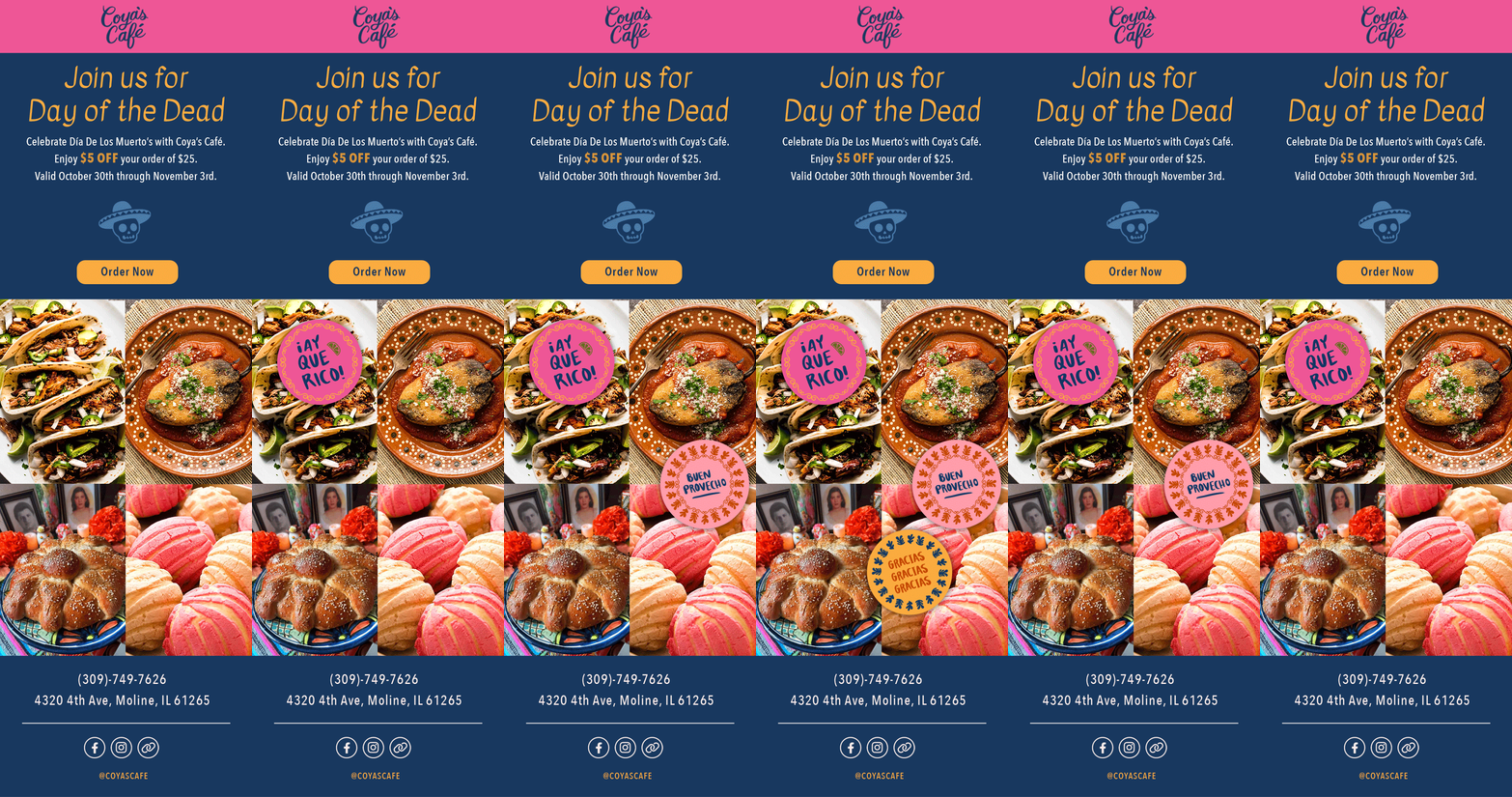
With Mexican doilies as visual inspiration, I illustrated and designed patterns that embody and modernize Coya’s Café.
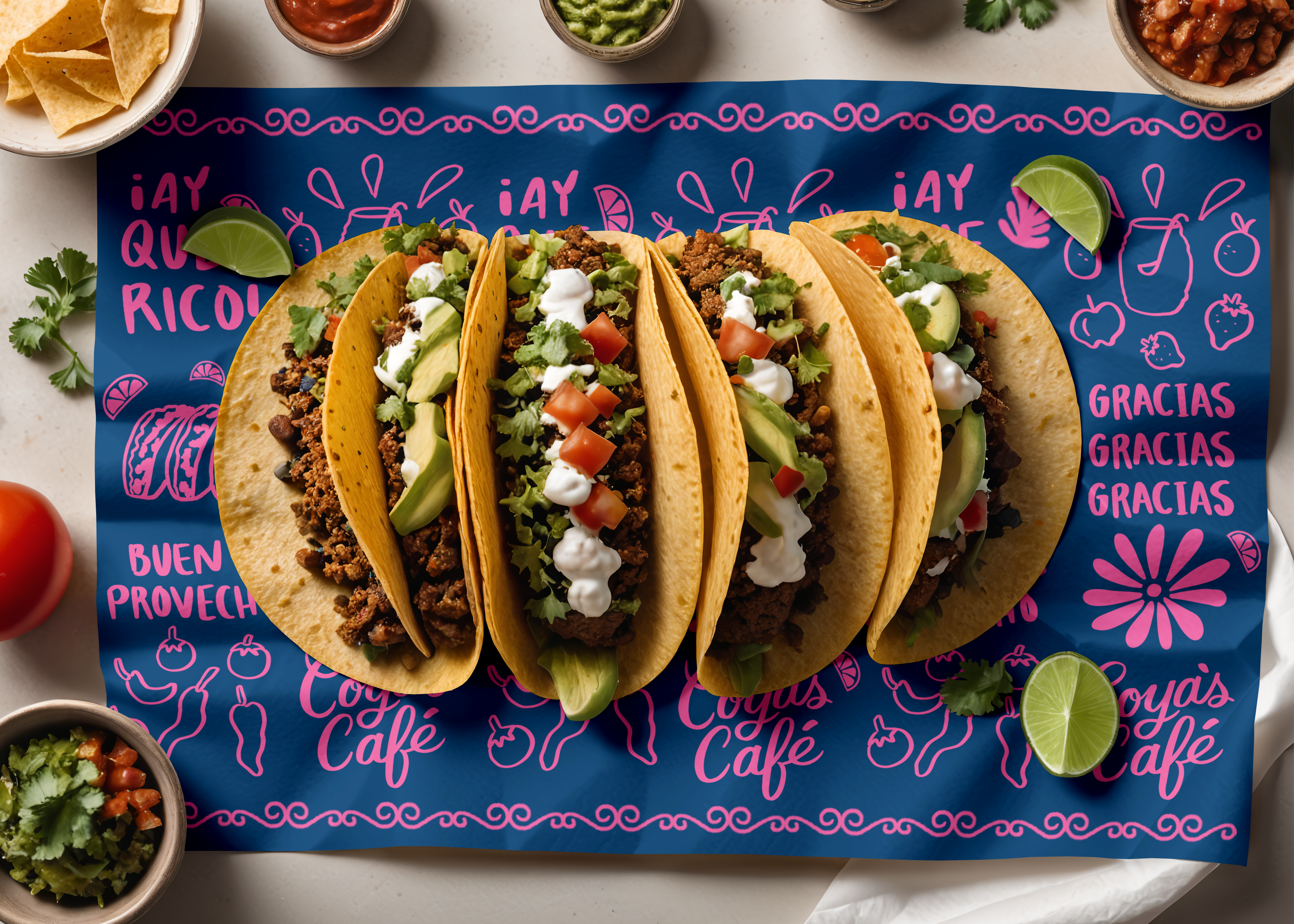
Mexican doilies became a starting point for developing a pattern system that could carry the personality of the brand beyond the logo. I translated their ornamental qualities into simplified, playful illustrations—creating a collection of patterns that reference tradition without feeling overly literal. The patterns give the identity a sense of rhythm and movement, while creating flexible assets that can live across packaging, menus, print, and digital touchpoints.


Before:
![]()
After:
![]()
![]()



THE OUTCOME
![]()
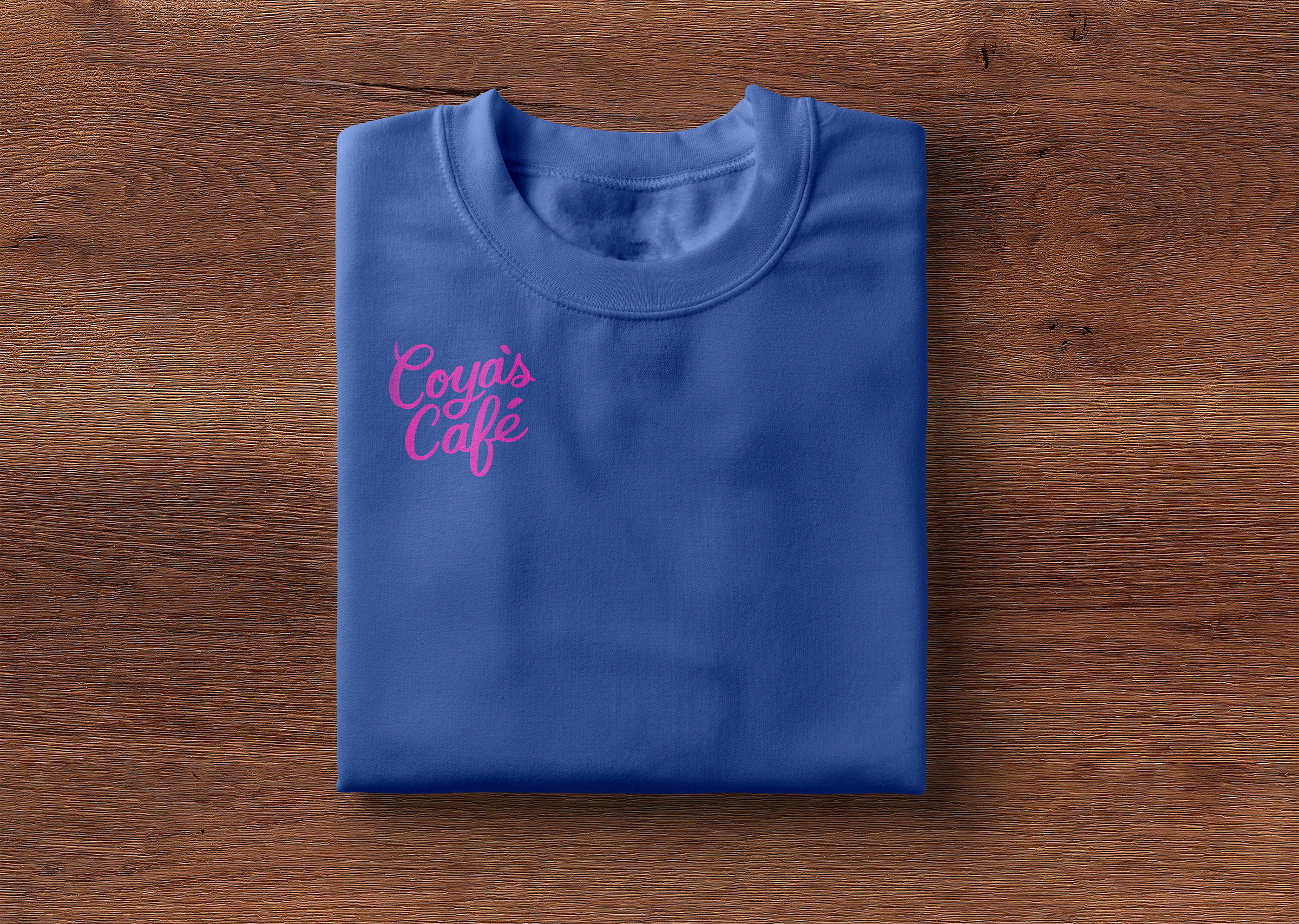
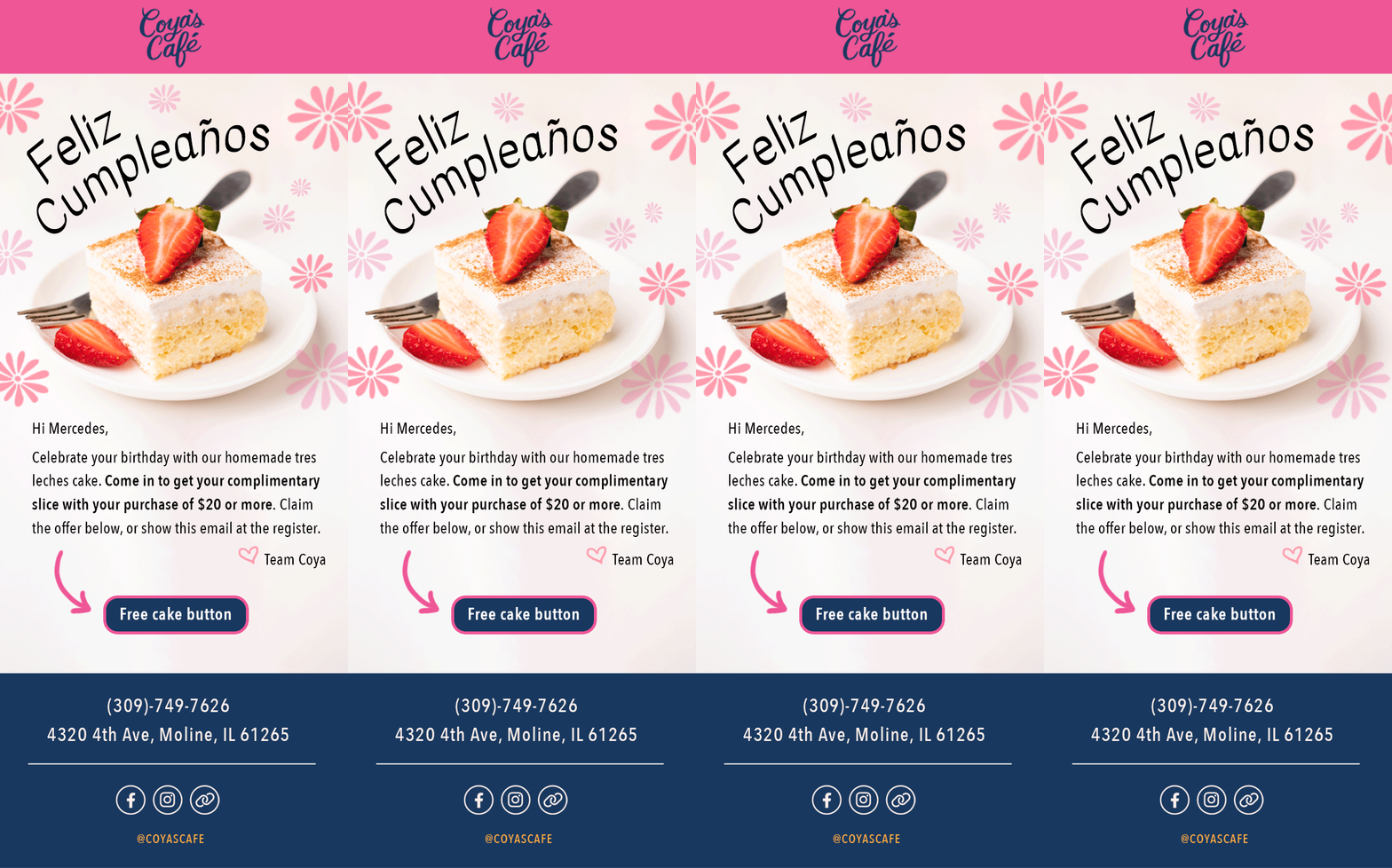
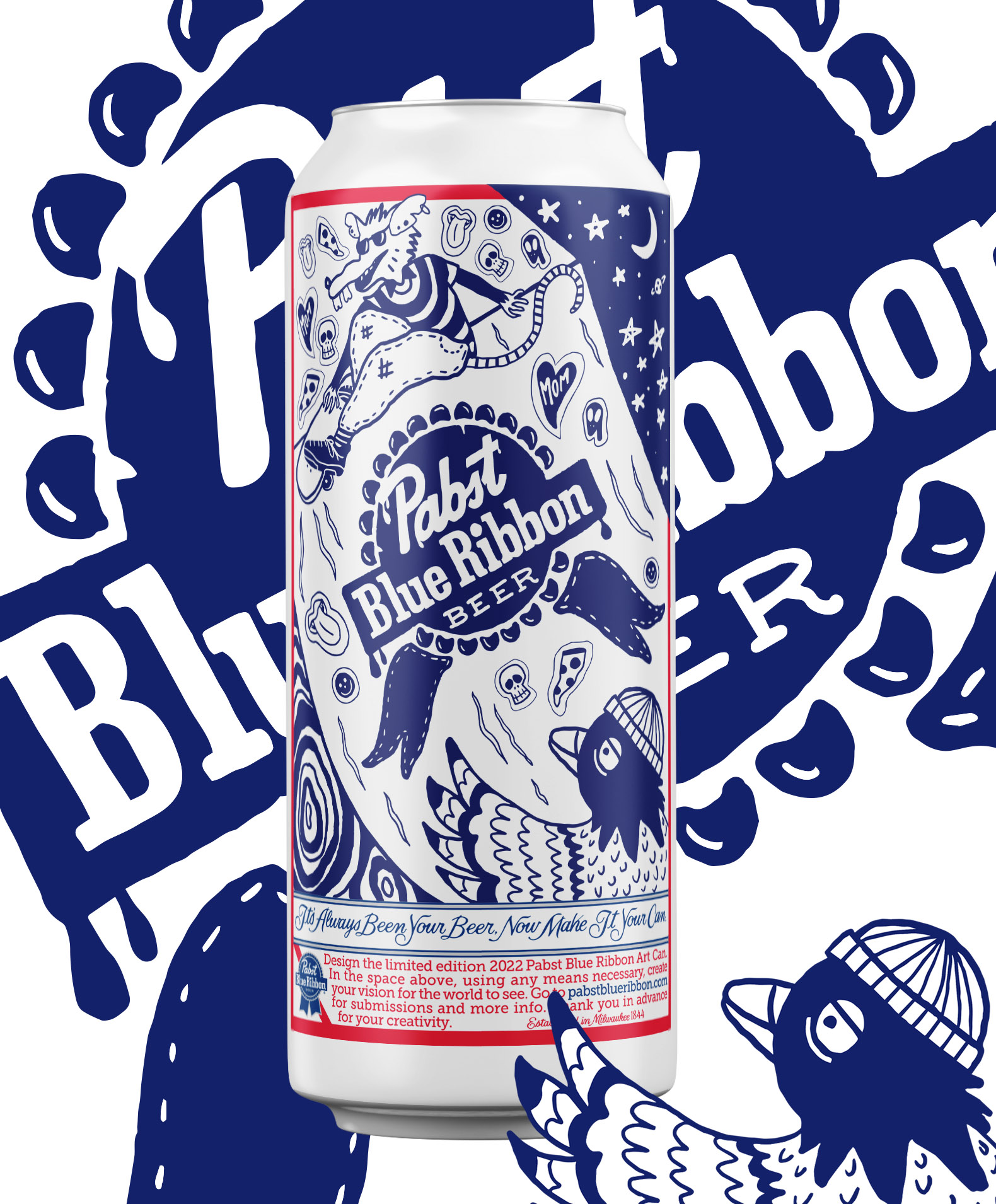
The resulting identity gives Coya’s Café a visual language that feels both personal and recognizable—rooted in the history of the restaurant while giving the brand room to evolve. By building the identity around Coya’s story, hand-crafted lettering, and a flexible illustration and pattern system, the rebrand extends beyond a new logo to create a cohesive experience across print, packaging, and digital.


Licensed Brands | product design

Project: Licensed Product Design
Client: Scholastic, Abrams, Mattel Press
Industry: Children's Publishing, Entertainment & Consumer Products
Scope: Packaging Graphic Design, Book Cover & Interior Design, Illustration, Typography, Hand-Lettering, Pattern Design, Brand Guidelines Adaptation
How do you create fresh, engaging products for children while staying true to the visual identity of globally recognized brands? Across a range of licensed publishing projects, I translated established characters and brand worlds into thoughtfully designed books and activity products. Working with properties including Star Wars, Disney’s Stitch, Gabby’s Dollhouse, Peppa Pig, Doug the Pug, and Pingu, I combined brand-guideline expertise with original creative solutions to bring each product to life.
My role extended beyond layout and visual design. I worked within established design systems, managed brand assets, and developed covers, interiors, illustrations, and patterns that balanced brand consistency with playful, age-appropriate experiences.
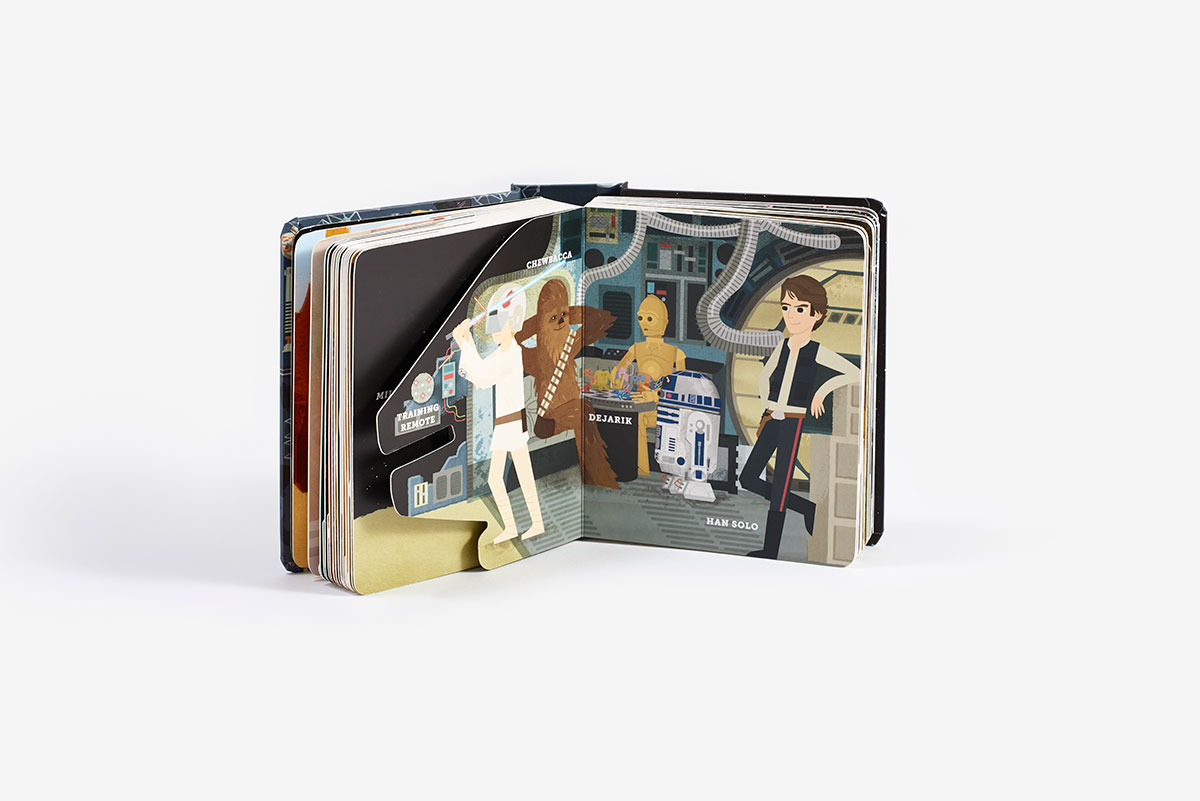
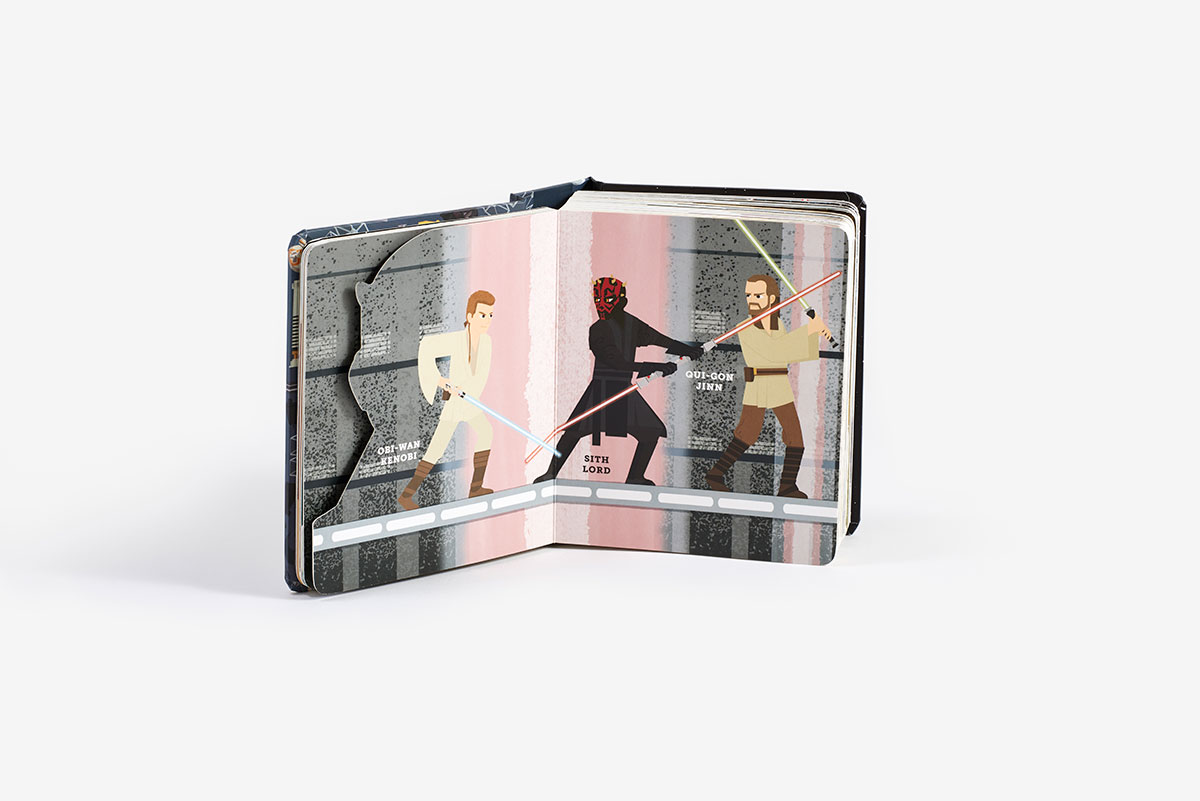
I familiarized myself with the Star Wars brand t0 design the cover and interior of the ‘Star Wars Block.’
Designing the interior included creating and maintaining complex die-lines while remaining legible to the next generation of Star Wars enthusiasts. Art is by Peskimo.

Scholastic | Disney’s Stitch
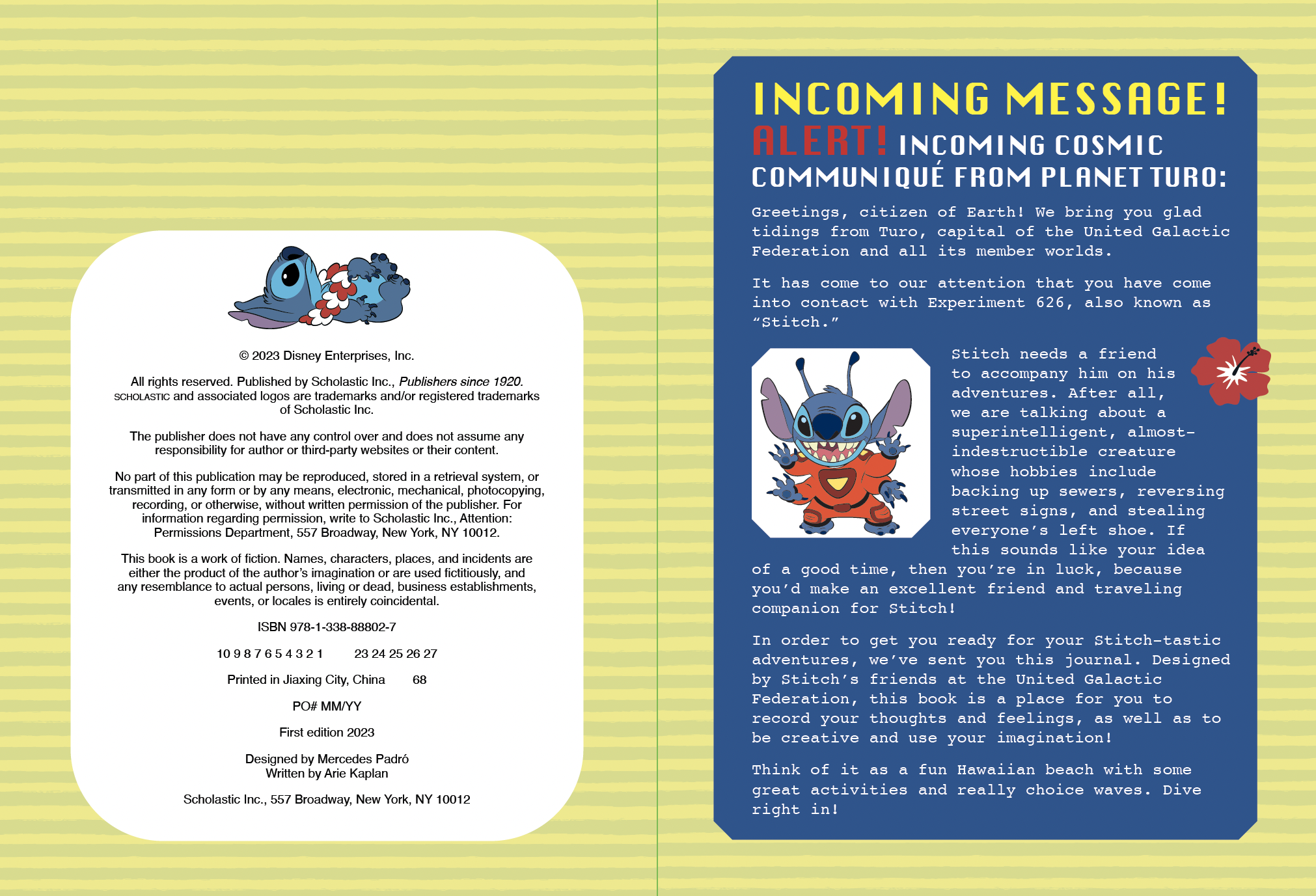
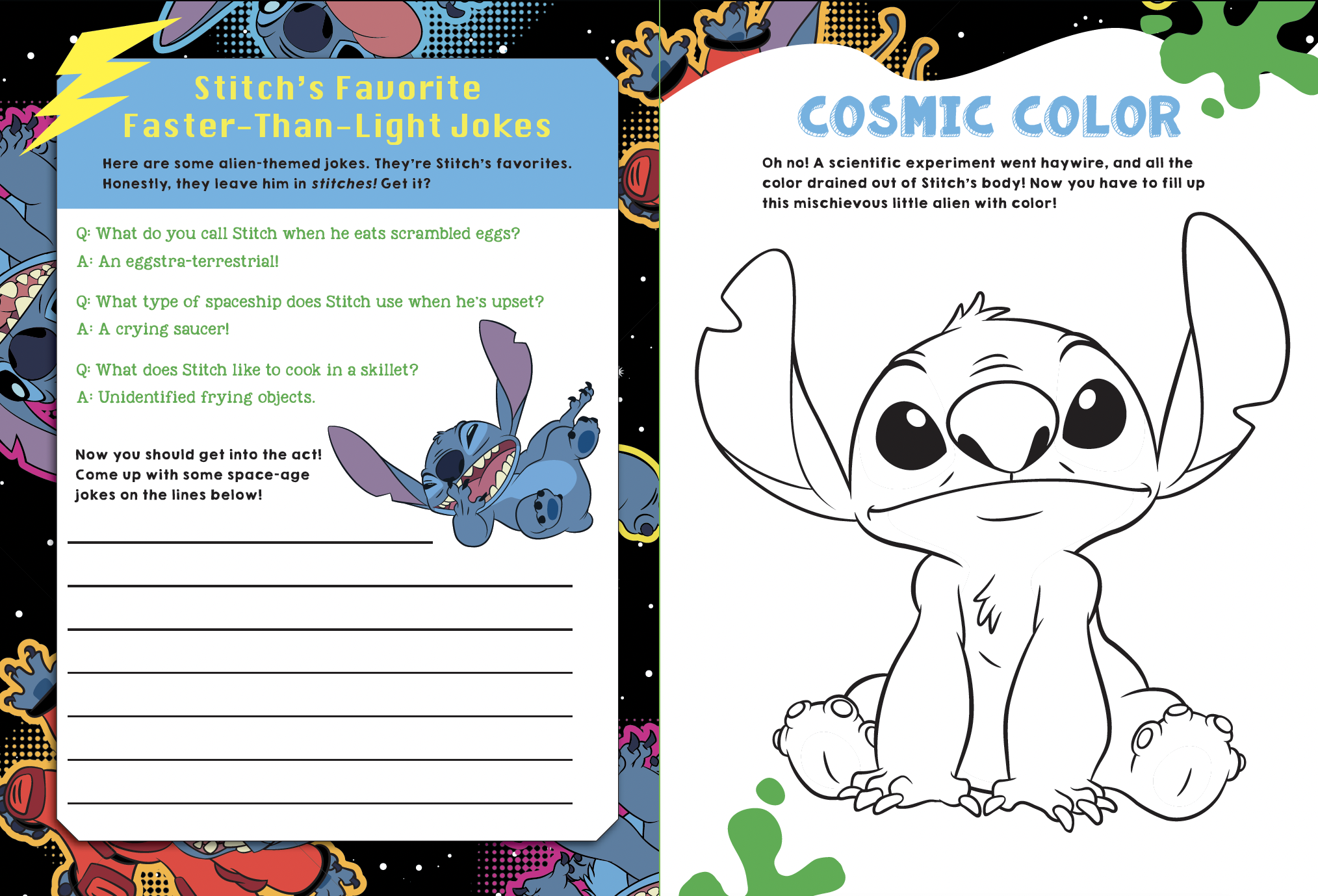
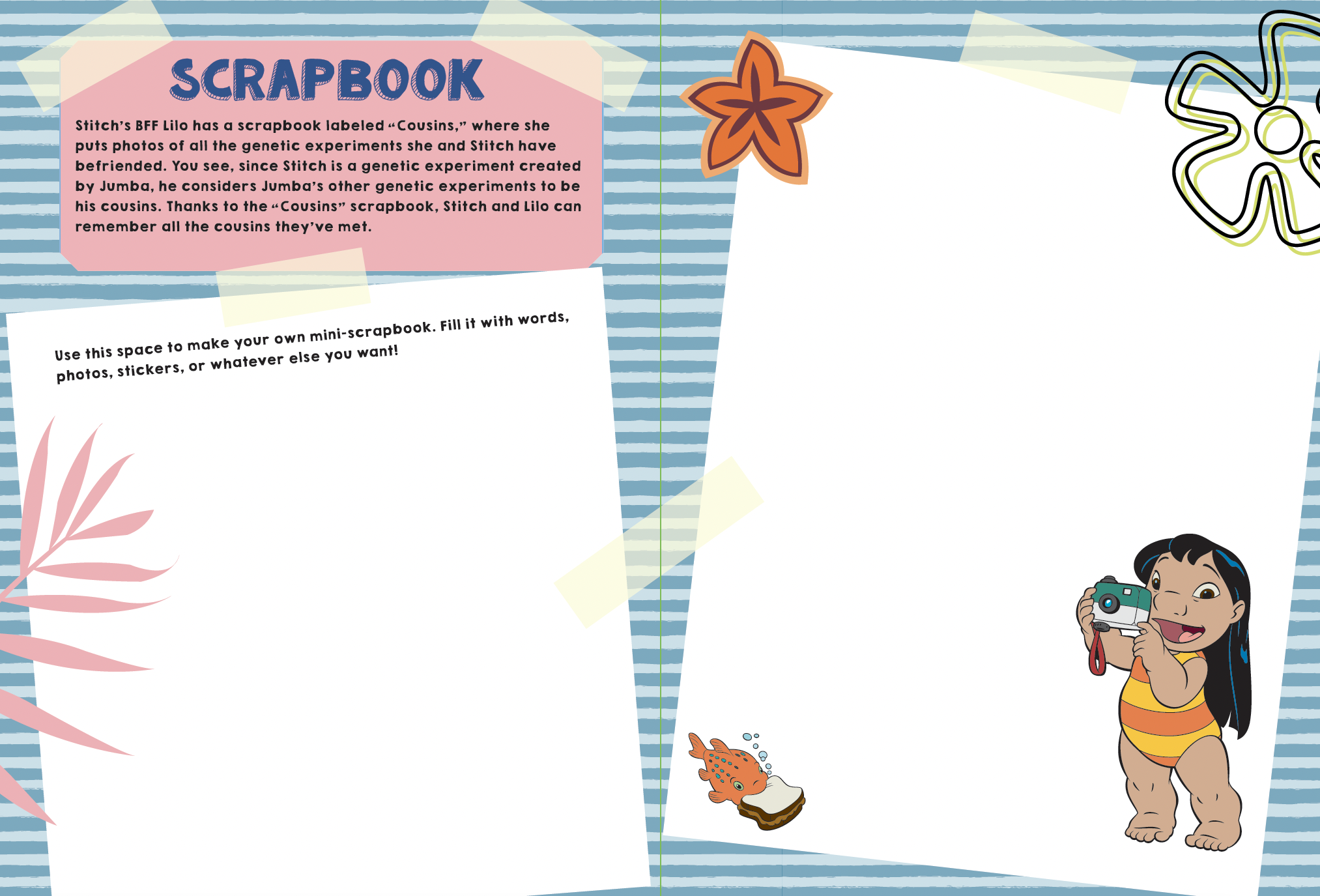
I became an expert on Stitch branding guidelines and designed the interior of a Stitch activity book. I’m well-versed in Stitch’s brand including illustrations, pattern assets, fonts, typography, logo treatment, and the server Disney uses to store these files. This was a fun experience for me to bring one of my favorite childhood brands, Stitch, to life for kids in an interactive and engaging format.

Scholastic | Gabby’s Doll House
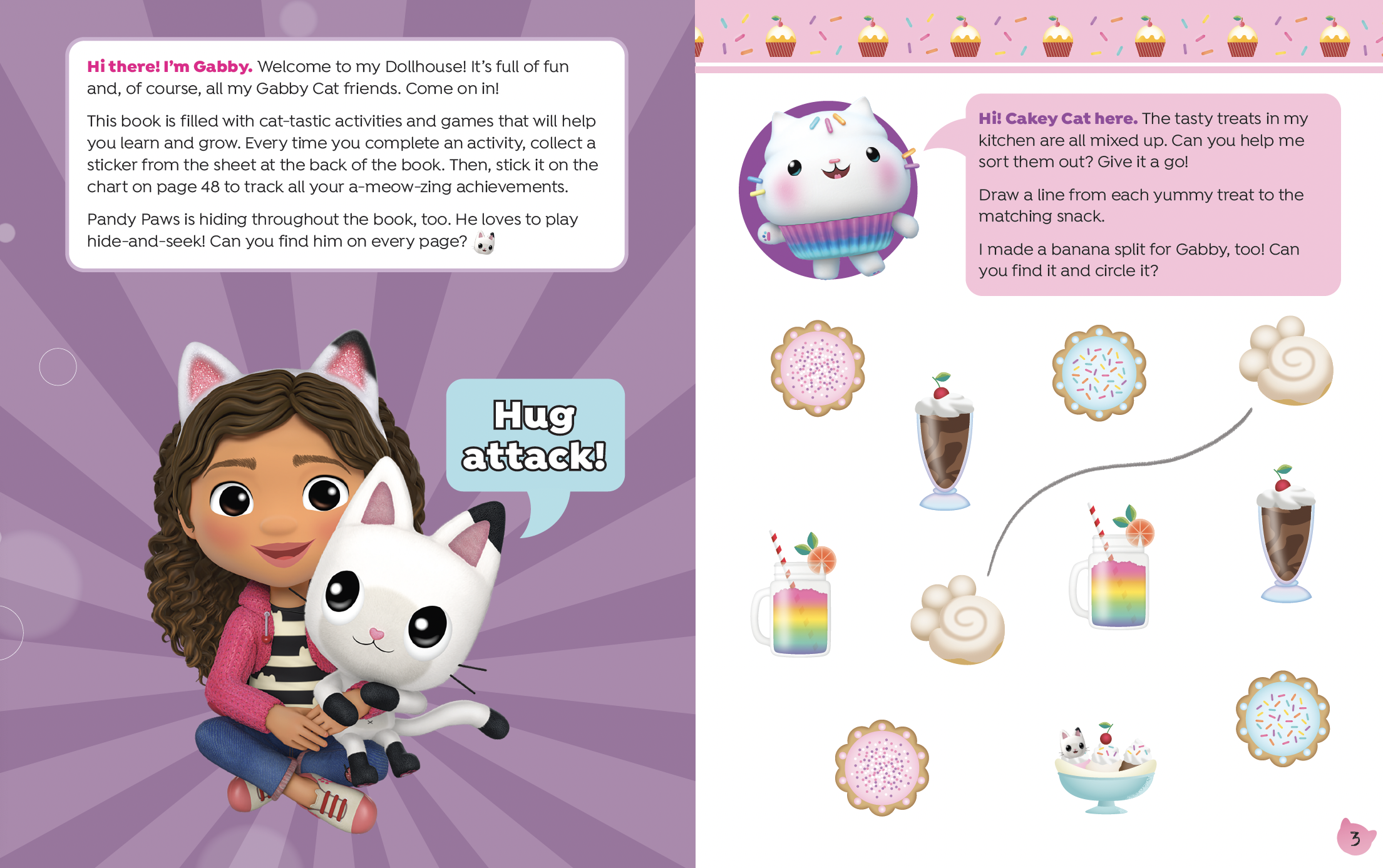
I designed both the cover and interior of a Gabby’s Dollhouse Activity Book for children, a project that allowed me to merge brand assets with fresh, trend-forward design solutions. I enjoy creating for children’s markets, where I can push creative boundaries while still honoring the integrity of the brand. Below are samples of the cover and interior layouts I developed, which showcase a balance of playful engagement and brand consistency. In education design there’s an emphasize on legibility, so ensuring usability for the children was an important aspect of the design process.




Scholastic | Peppa Pig
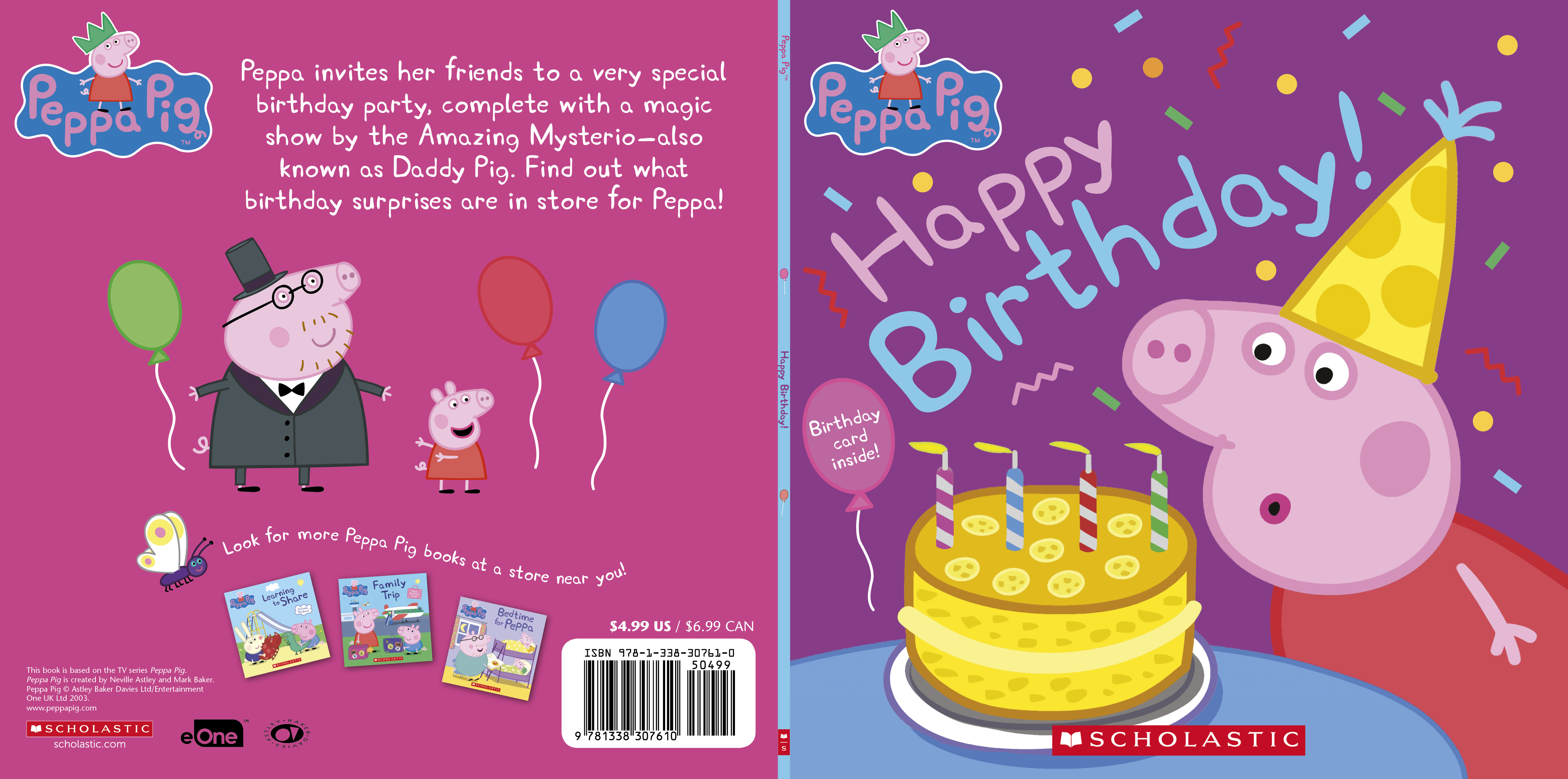
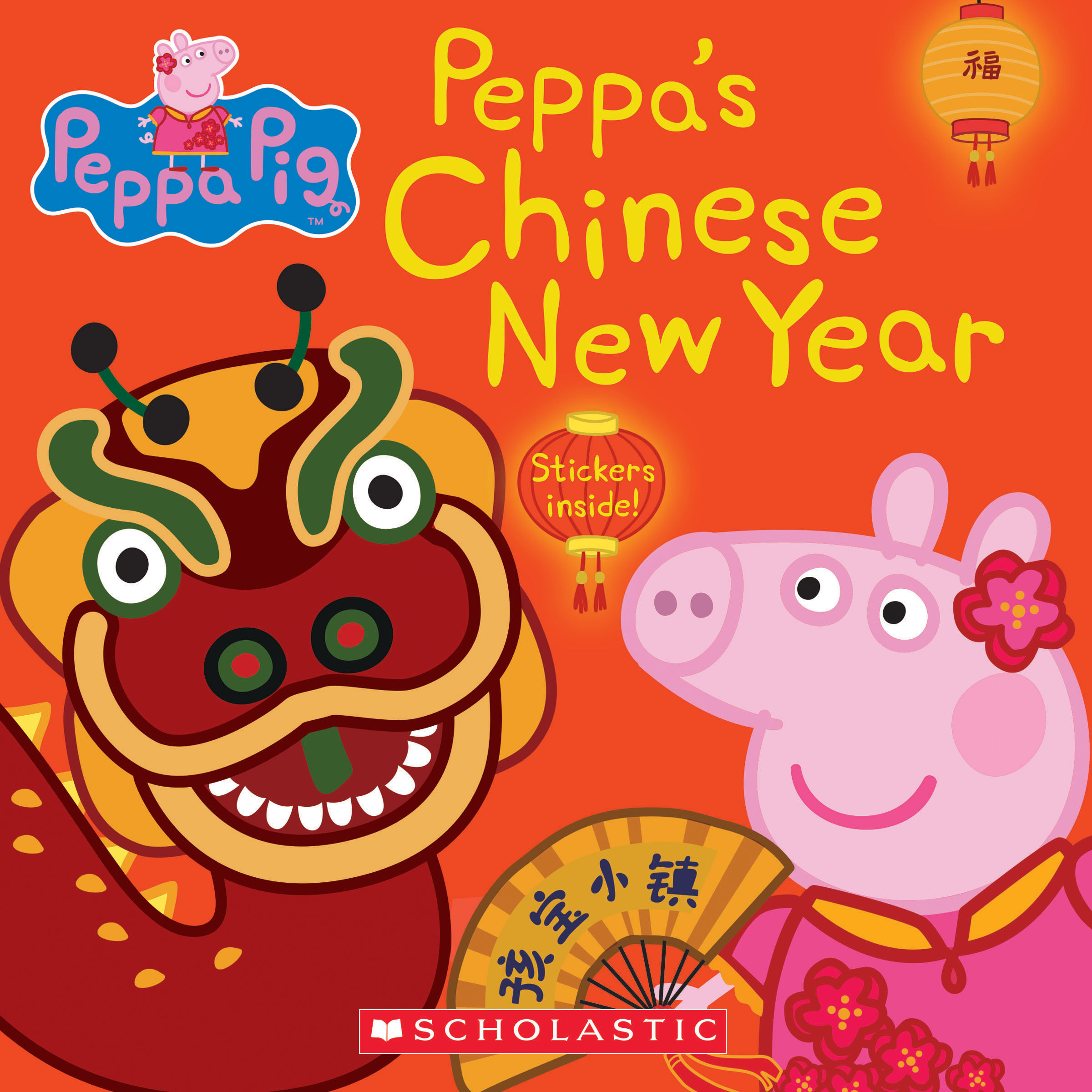
At Scholastic, I served as the designer for all Peppa Pig titles, gaining an in-depth understanding of the brand’s guidelines as well as the EOne server system used to manage assets. In addition to designing, I contributed original illustrations that seamlessly matched Peppa’s distinct visual style, ensuring consistency across each projects including the covers and interiors.
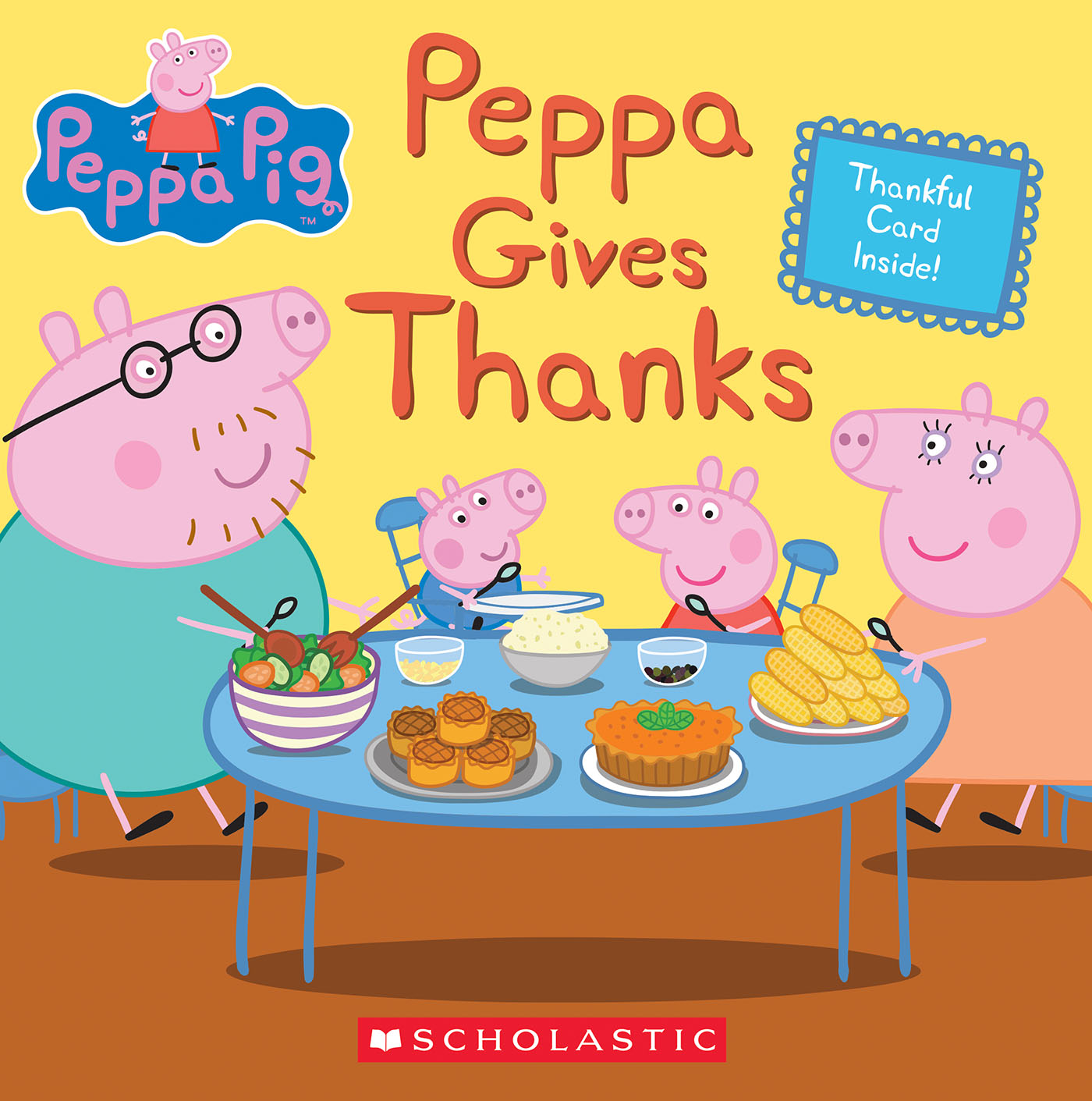

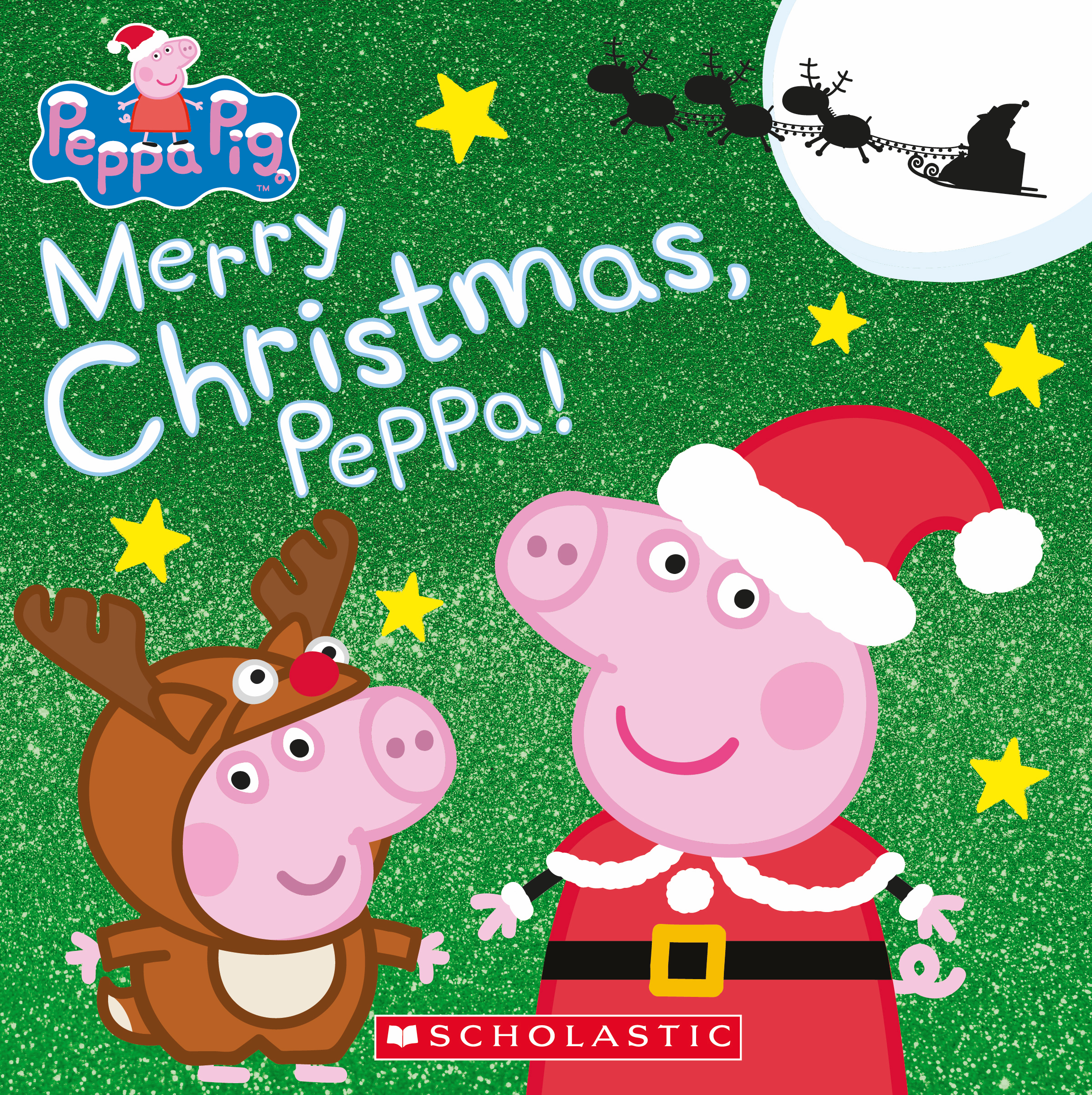

Scholastic | Doug the Pug
For the I am Doug the Pug book project, I designed custom patterns, hand-painted illustrations, and carefully laid out the artwork to complement Doug’s fun and food-centric brand. My work helped bring a cohesive and playful visual identity to Doug’s brand.


Mattel Press | Pingu Cozy Chill and Color
For the Pingu Cozy Chill and Color book project, I designed the cover and interior utilizing assets from the iconic Pingu brand. This included experimenting with layouts and typography to create a fun and accessible coloring book for adults and children alike.


Abrams | Hello Kitty Fairytale Collection
For Hello Kitty Presents the Fairytale, I developed the cover and interior design for Sanrio, creating a cohesive visual experience that brings the charm of Hello Kitty together with the timeless appeal of classic fairytales. The project involved translating the brand’s playful, recognizable aesthetic into an engaging book design across both the cover and interior pages.


THE OUTCOME
Across these projects, I applied a consistent design philosophy: respect the integrity of the original brand while creating products that feel engaging, purposeful, and tailored to their audiences.The work demonstrates my ability to adapt to distinct visual identities, translate brand guidelines into cohesive publishing systems, and combine illustration, typography, and layout into a unified product experience.

Rawxies | packaging design
Project: Packaging Design & Illustration
Client: Rawxies
Industry: Food & Beverage
Role: Freelance Graphic Designer & Illustrator
Scope: Custom Pattern Design, Illustration, Typography, Packaging Applications & Production-Ready Artwork


OVERVIEW
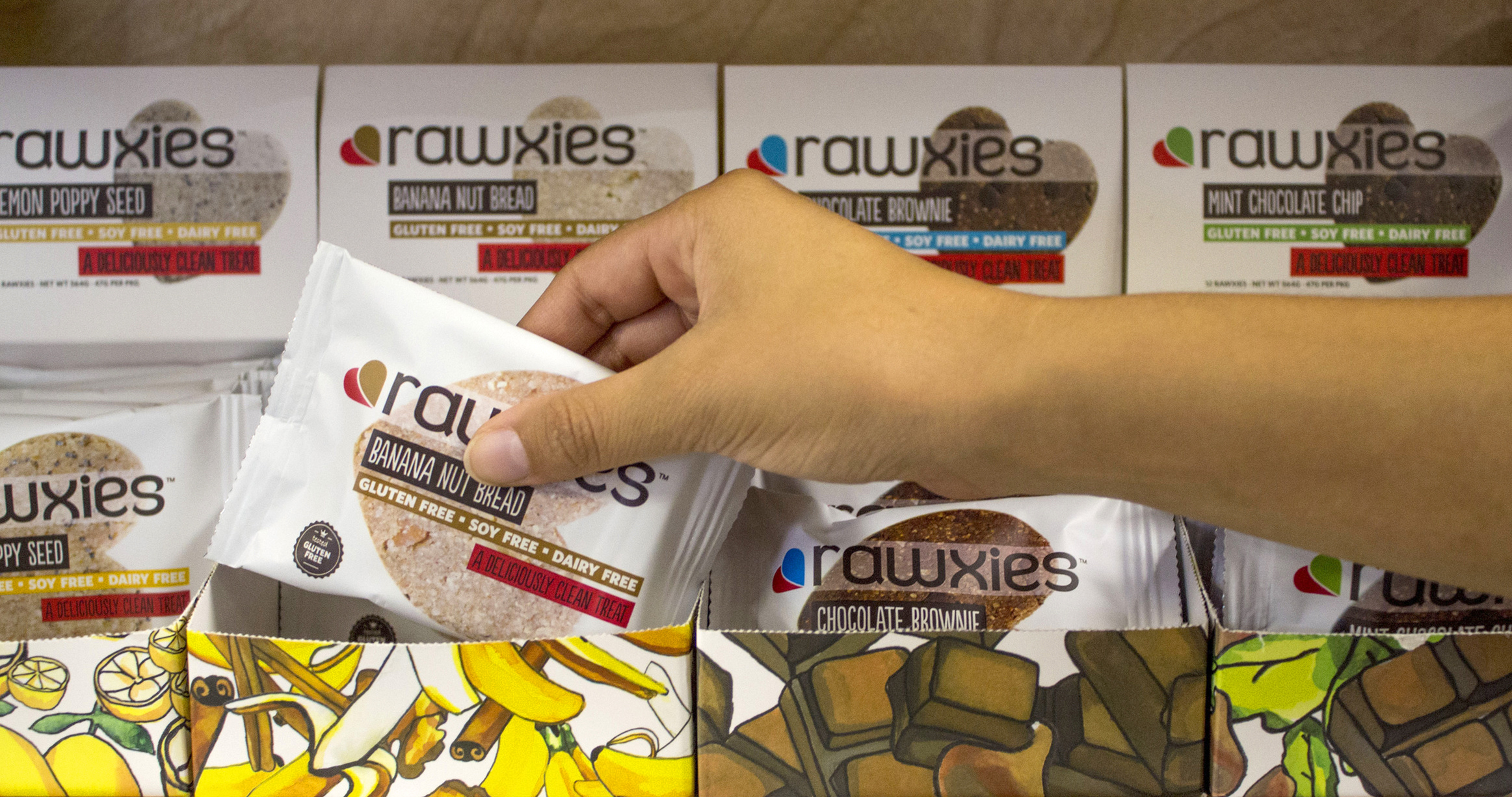
Rawxies is a vegan cookie brand whose packaging offers an opportunity to bring personality and visual character to plant-based treats. For this project, I designed and illustrated custom patterns for Rawxies’ line of vegan cookie products. Beyond developing the visual elements, I applied the patterns across multiple packaging formats, established the typography layouts, and prepared production-ready mechanicals. The result is a packaging design system that brings together illustration, pattern, and typography to create a cohesive visual presentation across the product line.THE CHALLENGE
For Rawxies, the challenge was to develop custom visual elements that could work as individual illustrations while functioning together as a cohesive packaging system. The design needed to balance creative expression with practical production requirements, ensuring that the patterns and typography translated effectively from the initial concepts to the final packaging artwork.
CUSTOM PATTERN DESIGN
I created and illustrated original patterns specifically for Rawxies’ vegan cookie products. These patterns served as key visual elements within the packaging system, adding detail and creating a consistent graphic language across the line. The focus was on developing artwork that could work across different packaging applications while maintaining its visual impact.

Building a visual language through pattern


PACKAGING APPLICATIONS


TYPOGRAPHY AND LAYOUT
Typography was another essential component of the packaging. I developed the overall typography layouts, integrating the type with the custom illustrations and patterns. The goal was to create a balanced composition in which the visual elements worked together as part of a clear, cohesive design.


THE OUTCOME
The Rawxies project brought together custom illustration, pattern design, typography, and packaging production into a cohesive visual system for a line of vegan cookies. By developing original patterns and applying them across multiple packaging formats, the project created continuity throughout the product range. The typography and layout further integrated these visual elements, while production-ready mechanicals ensured that the creative work was prepared for implementation. The project demonstrates how illustration-led design can contribute to a product’s packaging identity while meeting the practical demands of commercial production.

Pedro’s Heladería | packaging design
Client: Pedro’s Heladería
(conceptual brand developed during a workshop)
Project: Brand Identity & Packaging Design
Role: Graphic Designer & Illustrator
Industry: Food & Beverage
Scope: Visual Identity, Typography, Logo Design, Illustration, Packaging Design, Business Cards, Social Media Graphics
Context: One-day Typography for the Senses workshop led by Ellen Lupton at Cooper Design School
Recognition: Featured in the 2024 edition of Thinking with Type by Ellen Lupton
OVERVIEW
Pedro’s Heladería is a conceptual ice cream brand exploring the relationship between typography, sensory perception, and visual identity. The project investigates how graphic design can communicate the experience of taste, texture, and flavor without relying on the senses themselves. Developed during Ellen Lupton’s Typography for the Senses workshop at Cooper Design School, the project transformed an everyday indulgence into an opportunity for visual experimentation.  THE CHALLENGE
THE DESIGN SOLUTION
The resulting identity brings together typography, illustration, and packaging to create a cohesive brand experience for Pedro’s Heladería.- Brand identity: A visual direction built around the expressive potential of typography and its relationship to the senses.
- Packaging design: An application of the identity to product packaging, translating the brand concept into a tangible visual experience.
Pedro’s Heladería creates a visual language designed to evoke the pleasure and personality of a latin ice cream parlor.


Business Cards:
Branded collateral that extends the identity into printed touchpoints.


Social Design:
Across these touchpoints, the project explores how a consistent graphic language can give a product personality and make a sensory experience visually recognizable.
Across these touchpoints, the project explores how a consistent graphic language can give a product personality and make a sensory experience visually recognizable.


THE OUTCOME
Pedro’s Heladería demonstrates how typography can move beyond its conventional informational role to become an expressive design tool. By connecting letterforms, color, illustration, and packaging, the project explores how visual communication can evoke qualities that are otherwise experienced through taste and touch.The project was also featured in the 2024 edition of Ellen Lupton’s Thinking with Type, providing a notable connection between this experimental exploration and the broader study of typography and graphic design.
©2026 Mercedes Padró. All rights reserved.